What Do Ship Captains Look for in a Crew Member (ABK)? It’s More Than Just Hard Work

What Do Ship Captains Look for in a Crew Member (ABK)? It’s More Than Just Hard Work

Many people believe that becoming a crew member (ABK) is mainly about having physical strength and being willing to work hard. However, real-world experience shows that ship captains and shipping companies evaluate far more than just technical skills when selecting and retaining crew members.

There are many cases where crew members possess strong technical abilities but struggle to remain onboard because of poor discipline or an inability to work well with others. On the other hand, some individuals with limited experience advance quickly because they demonstrate the right attitude and work ethic.

So, what exactly do ship captains look for in a crew member?

1. Discipline: The Most Important Quality

Almost every ship captain agrees that discipline is the foundation of a successful maritime career.

Life onboard operates according to strict schedules and procedures. Delays, negligence, or failure to follow instructions can affect not only productivity but also the safety of the entire crew.

Captains often pay close attention to simple but important factors, such as:

  • Punctuality during watch changes
  • Compliance with safety regulations
  • Maintaining a clean and organized work area
  • Readiness during briefings
  • Consistency in carrying out assigned duties

Crew members who demonstrate strong discipline typically earn trust more quickly and are more likely to receive promotion opportunities.

2. A Willingness to Learn

In practice, many captains prefer crew members who are eager to learn rather than those who believe they already know everything.

The maritime industry is constantly evolving. New technologies, safety protocols, and operational procedures continue to emerge.

Crew members who show curiosity and a desire to improve are generally better equipped to adapt to changing work environments.

Captains often look for signs such as:

  • Openness to guidance and feedback
  • Willingness to ask questions when unsure
  • Ability to learn from mistakes
  • Professionalism when receiving corrections

These qualities indicate long-term potential and make a crew member more valuable to both the captain and the company.

3. Teamwork Skills

Unlike many land-based jobs, life onboard requires crew members to live and work together for extended periods.

As a result, teamwork becomes one of the most important qualities a crew member can possess.

Captains generally avoid individuals who:

  • Frequently create conflicts
  • Refuse to cooperate with others
  • Display selfish behavior
  • Show disrespect toward colleagues

Conversely, crew members who foster positive relationships and contribute to a healthy team environment are highly valued.

At sea, teamwork is not merely about workplace harmony—it is often a matter of safety.

4. Mental Resilience

Not everyone is suited to life at sea. Long periods away from family, harsh weather conditions, heavy workloads, and challenging situations can place significant pressure on crew members.

This is why captains highly appreciate individuals who possess strong mental resilience.

Common characteristics include:

  • Remaining positive under pressure
  • Avoiding excessive complaints
  • Managing emotions effectively
  • Maintaining professionalism during difficult situations

Mental toughness often separates crew members who thrive in the industry from those who leave before completing their contracts.

5. Strong Safety Awareness

In the maritime industry, safety is never optional. Even a small mistake can have serious consequences for the crew, vessel, and cargo.

For this reason, captains pay close attention to whether crew members:

  • Properly use personal protective equipment (PPE)
  • Follow safety procedures consistently
  • Understand emergency drills and protocols
  • Report potential hazards promptly
  • Avoid unsafe shortcuts while working

Crew members with a strong safety mindset are considered valuable assets onboard any vessel.

6. Honesty and Integrity

Honesty is a quality that cannot be measured through certificates or résumés. Yet in the maritime world, integrity is one of the most respected characteristics. Captains need crew members they can trust.

This includes being honest when:

  • Reporting equipment damage
  • Admitting mistakes
  • Completing work reports accurately
  • Taking responsibility for assigned tasks

Trust is essential onboard a vessel.

Once trust is lost, rebuilding a professional reputation can be extremely difficult.

7. The Ability to Adapt in Multinational Environments

Modern shipping vessels often employ crew members from multiple countries.

A crew member may work alongside colleagues from Indonesia, the Philippines, Vietnam, China, South Korea, and many other nations.

As a result, captains highly value individuals who can:

  • Respect cultural differences
  • Communicate effectively
  • Adapt to new environments
  • Maintain professionalism in diverse teams

Adaptability has become an increasingly important skill in today’s global maritime industry.

8. Initiative Without Constant Supervision

One of the qualities captains appreciate most is initiative.

Crew members with initiative often:

  • Identify tasks that need attention without being told
  • Assist colleagues when necessary
  • Offer solutions to problems
  • Help maintain cleanliness and organization onboard

This demonstrates a sense of ownership and commitment that extends beyond simply completing assigned duties.

9. Consistency Matters More Than Short-Term Excellence

Many crew members perform exceptionally well during the first few weeks of a contract.

However, what captains truly value is consistency.

They prefer individuals who:

  • Maintain high performance every day
  • Stay disciplined even when unsupervised
  • Deliver reliable results over long periods
  • Uphold professional standards throughout the contract

Because maritime operations continue around the clock for months at a time, consistency often proves more valuable than occasional outstanding performance.

Experience Is Important, but Attitude Matters More

Many job seekers assume that experience is the most important factor in securing maritime employment. In reality, experience from shipping companies and maritime recruiters shows that attitude often plays a greater role in long-term success.

A crew member who is disciplined, honest, responsible, and willing to learn often enjoys greater career growth than someone who relies solely on experience. Technical skills can be taught. Character cannot.

And character is ultimately what determines whether a person can be trusted to become part of a professional crew.

Becoming the Kind of Crew Member Captains Want

Being a crew member is not simply about securing a job onboard a vessel. It is about building a professional reputation that will follow you throughout your maritime career. Every action, every decision, and every attitude you display onboard contributes to how captains, employers, and fellow crew members perceive you. If you aspire to build a long and successful maritime career, focus on developing the qualities captains value most: discipline, integrity, teamwork, safety awareness, and a commitment to continuous improvement.

PT RNT Utama Indonesia Helps Prepare High-Quality Crew Members

As a professional maritime recruitment and crew placement company, PT RNT Utama Indonesia understands that international shipping companies are not simply looking for workers they are looking for individuals with strong character and professional work ethics.

Through professional recruitment processes and legal placement programs, PT RNT Utama Indonesia continues to create opportunities for Indonesian talent to build successful careers in the global maritime industry.

The company is committed to helping candidates understand not only the technical requirements of working at sea but also the personal qualities that captains and employers expect from modern seafarers.

Ready to Become the Crew Member Every Captain Wants?

Don’t focus solely on finding job vacancies.

Focus on becoming the candidate that captains and shipping companies actively seek.

Strengthen your discipline. Build mental resilience. Develop a professional attitude.

Prepare yourself to become part of a new generation of Indonesian seafarers capable of competing on the international stage.

Because the best vessels do not simply need people who can work they need people they can trust.

Start Your Maritime Career with PT RNT Utama Indonesia

Whether you are an experienced seafarer or someone looking to begin a career at sea, PT RNT Utama Indonesia is ready to help guide your journey.

Explore available opportunities, understand the requirements, and take the first step toward a rewarding future in the maritime industry.

Your next opportunity may begin with one decision today. The ocean is waiting, and so is your future.

Why a Career at Sea Remains a Promising Choice Despite Declining Interest Among Young People

Why a Career at Sea Remains a Promising Choice Despite Declining Interest Among Young People

Indonesia is widely recognized as one of the world’s largest maritime nations. With more than 17,000 islands and vast ocean territories that far exceed its land area, the sea should be one of the country’s greatest sources of employment opportunities. Ironically, however, while global demand for seafarers continues to grow, fewer young people are considering maritime careers.

Today’s younger generation is increasingly attracted to careers in the digital sector, startups, and professions perceived as more modern. Yet the maritime industry remains one of the few sectors that offers career stability, competitive earnings, and international employment opportunities.

So, is the seafaring profession truly being left behind, or is it simply misunderstood?

The World Cannot Function Without Seafarers

Many people are unaware that more than 80% of global trade still depends on maritime transportation. Everyday products such as electronics, clothing, food supplies, vehicles, and fuel are transported across oceans by ships.

Without seafarers, global supply chains would come to a halt.

During the COVID-19 pandemic, the world witnessed firsthand how essential seafarers are. While many industries slowed down or stopped operating altogether, ships continued sailing to ensure critical goods reached countries around the world.

This highlights an important reality: seafaring is not just a job—it is one of the pillars supporting the global economy.

Young People Are Often Influenced by Temporary Career Trends

Social media frequently showcases success stories of content creators, influencers, and digital entrepreneurs who appear to earn substantial incomes while enjoying flexible lifestyles.

As a result, many young people believe that the ideal career is one that can be done remotely with minimal risk and maximum freedom.

However, not all digital careers offer long-term stability. Many depend heavily on market trends, platform algorithms, and rapidly changing technology.

In contrast, the demand for professional seafarers will continue as long as the world relies on international trade and maritime logistics.

A maritime career may not always appear glamorous online, but it is built on a much stronger long-term foundation.

Seafarers Continue to Earn Competitive Incomes

One of the most overlooked aspects of a maritime career is its earning potential.

Many crew members working on international vessels receive salaries in foreign currencies. In addition to their basic salary, they often receive benefits such as:

  • Accommodation
  • Meals during employment
  • Work equipment
  • Insurance coverage
  • Additional contractual allowances

Because many daily living expenses are covered during contract periods, seafarers are often able to save a larger portion of their income compared to many land-based workers.

For countless Indonesian families, a maritime career has become a pathway toward financial security, home ownership, quality education for children, and even future business opportunities.

A Profession That Builds Character and Leadership

Few professions shape personal character as effectively as life at sea.

Working onboard a vessel develops valuable qualities such as:

  • Discipline
  • Responsibility
  • Teamwork
  • Leadership
  • Mental resilience
  • Adaptability

Seafarers work alongside colleagues from diverse cultural and national backgrounds, creating an environment that encourages personal growth and professional maturity.

These skills often become valuable assets later in life, whether individuals continue in the maritime industry or pursue opportunities in other sectors.

An Opportunity to See the World

One advantage that is rarely discussed is the opportunity to travel internationally.

Many seafarers visit dozens even hundreds of ports across different countries throughout their careers.

They gain firsthand exposure to new cultures, technologies, business practices, and ways of life.

Such international experience is difficult to obtain through conventional jobs and often becomes one of the most rewarding aspects of a maritime career.

The Maritime Industry Is Undergoing a Generational Transition

Shipping companies worldwide are facing an increasingly important challenge: workforce regeneration.

A large number of experienced seafarers are approaching retirement age, while fewer young professionals are entering the industry.

This creates a significant opportunity for the younger generation.

Today’s maritime employers are actively seeking individuals who are:

  • Quick learners
  • Comfortable with modern technology
  • Highly motivated
  • Committed to long-term professional development

For young Indonesians, this represents a valuable opportunity to enter an industry that urgently needs fresh talent.

Indonesia Holds a Competitive Advantage

Indonesian seafarers have earned a strong reputation across the global maritime industry.

Their adaptability, professionalism, strong work ethic, and ability to work effectively in multicultural environments make them highly sought after by international shipping companies.

As one of the world’s largest maritime nations, Indonesia has the potential to become one of the leading suppliers of professional seafarers globally.

However, this potential can only be realized if more young people begin to see the maritime sector as a viable and rewarding career path.

Being a Seafarer Is About More Than Earning a Living

For some people, being a seafarer may appear to be just another profession. But for many Indonesian families, it represents something much greater. It is the hope of building a better home. The opportunity to provide quality education for children.

The ability to support aging parents. The chance to transform a family’s economic future. Behind every departure of a seafarer lies a family waiting at home with hope, prayers, and dreams for a brighter tomorrow. This is the side of the profession that often goes unnoticed.

PT RNT Utama Indonesia: Opening Doors to Global Maritime Careers

As a trusted company specializing in crew recruitment, management, and placement services, PT RNT Utama Indonesia is committed to helping Indonesia’s best talents pursue successful careers in the global maritime industry.

Through partnerships with international shipping companies, professional recruitment processes, and a strong commitment to legal and ethical placement practices, PT RNT Utama Indonesia serves as a bridge connecting Indonesian talent with global maritime opportunities.

Beyond recruitment, PT RNT Utama Indonesia also strives to raise awareness about the vital role seafarers play in supporting Indonesia’s economic growth and strengthening its position as a maritime nation.

It Is Time to See the Ocean as a Future Opportunity

Not everyone is destined to become a seafarer.

But every generation should understand that the sea has sustained Indonesia for centuries and continues to offer immense opportunities for those willing to embrace them.

While many people pursue careers driven by current trends, the maritime industry remains filled with untapped potential.

It may not always dominate social media feeds.

It may not always appear glamorous.

But beyond the waves, ports, and ships that connect nations across the globe, there are countless stories of individuals whose lives have been transformed through a career at sea.

If you are a young person searching for direction, or a parent hoping for a brighter future for your child, it may be time to take a closer look at the opportunities offered by the maritime industry.

For some, the ocean is simply a vast expanse of water. For those willing to sail beyond the horizon, it can become a pathway to a better future.

Start Your Maritime Career Today

Contact PT RNT Utama Indonesia to learn more about available seafarer opportunities, recruitment requirements, and official placement programs.

Your journey toward a brighter future may begin with a single decision today. The ocean is waiting and so are the opportunities.

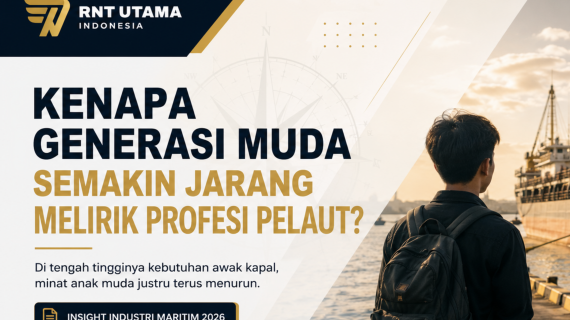
Why Are Young People Becoming Less Interested in a Career as a Seafarer?

Why Are Young People Becoming Less Interested in a Career as a Seafarer?

Amid rising unemployment rates and increasingly competitive job markets, there is an interesting fact that is rarely discussed: the maritime and fishing industries are actually experiencing a shortage of young workers. Shipping companies, fishing vessels, and international cargo fleets continue to recruit crew members, yet interest among younger generations in pursuing a seafaring career has steadily declined over the years.

This trend is particularly concerning because the seafaring profession has long been known as a career that offers competitive salaries, international work opportunities, and a clear path for career advancement. So why are fewer young people considering a career at sea today?

1. Changing Mindsets Among Younger Generations

Today’s generation has grown up in the digital era. Many young people aspire to become content creators, digital marketers, programmers, designers, or professionals in other technology-driven industries.

Social media has also shaped perceptions of what an ideal job looks like. Many young people now seek careers that offer flexibility, remote working opportunities, and the ability to earn income without leaving home. In contrast, the seafaring profession is often viewed as a career that requires spending months away from family and friends.

As a result, many young people never even consider becoming a seafarer as a viable career option.

In reality, however, the maritime industry remains one of the world’s most important sectors and continues to offer substantial employment opportunities both domestically and internationally.

2. Limited Awareness of Maritime Career Opportunities

One of the primary reasons behind the declining interest is the lack of information available about maritime careers.

Many high school graduates, vocational school students, and even university graduates are unaware that the maritime industry offers a wide range of career paths. They often assume that all crew members perform the same duties, when in fact there are various positions with different responsibilities, qualifications, and salary levels.

On fishing vessels, for example, positions may include:

  • Deck Crew
  • Bosun
  • Chief Officer
  • Captain
  • Engineer
  • Chief Engineer

Merchant vessels offer even more specialized career opportunities depending on an individual’s skills, certifications, and experience.

Without proper education and exposure, many young people fail to recognize that seafaring is not simply physical labor but a professional career with structured progression and long-term growth opportunities.

3. The Perception That Seafaring Is Extremely Difficult

There is no denying that working at sea comes with unique challenges. Seafarers must adapt to changing weather conditions, ocean waves, strict work schedules, and a working environment that differs significantly from land-based jobs.

However, these challenges are often exaggerated, creating the perception that seafaring is an exceptionally difficult and dangerous profession.

The reality is that the modern maritime industry has evolved considerably. Advanced navigation systems, safety technologies, communication equipment, and international operational standards have made working onboard vessels significantly safer than it was decades ago.

Professional shipping companies also provide safety training, clear operational procedures, and protection measures that comply with international regulations.

4. Concerns About Being Away From Family

One of the most common reasons young people hesitate to pursue a maritime career is the prospect of being separated from their families for extended periods.

Employment contracts may last several months or even a year, depending on the vessel type and employer. For many young individuals, this arrangement seems unattractive because they are accustomed to constant communication and daily interactions with loved ones.

However, modern communication technology has made it much easier for seafarers to stay connected with their families. Many vessels now provide communication facilities that allow crew members to make calls or send messages whenever conditions permit.

Furthermore, the financial rewards often compensate for the temporary sacrifices required during contract periods.

5. Limited Promotion of Maritime Careers in Education

When students are asked about their dream careers, most mention professions such as doctors, teachers, police officers, military personnel, or office workers.

Very few educational institutions actively introduce seafaring as a promising career option. Consequently, many young people grow up without understanding the opportunities available within the maritime sector.

This is particularly surprising considering that Indonesia is the world’s largest archipelagic nation, with vast maritime resources and strategic shipping routes.

Given the country’s geography, the maritime industry should naturally be one of the largest sources of employment for Indonesian workers.

Unfortunately, insufficient awareness campaigns and educational outreach programs have caused maritime careers to receive far less attention than other professions.

6. The Rise of New Career Options

Compared to two decades ago, today’s young generation has access to a much broader range of career opportunities.

Many choose careers such as:

  • Content Creator
  • Influencer
  • Programmer
  • Data Analyst
  • Social Media Specialist
  • Freelancer
  • Digital Marketing Specialist
  • E-commerce Entrepreneur

These professions often appear more modern, accessible, and aligned with current lifestyle trends.

Meanwhile, the maritime sector is still frequently perceived as a traditional industry, despite undergoing significant technological transformation. Modern vessels increasingly rely on digital navigation systems, automation technologies, data-driven fleet management, and sophisticated communication tools.

The maritime industry is far more technologically advanced than many people realize.

7. Misconceptions About Seafarers’ Income

Many people assume that seafarers earn average salaries. In reality, experienced crew members often earn significantly more than many land-based workers with similar educational backgrounds.

For those employed on international vessels, the opportunity to receive salaries in foreign currencies can be especially attractive.

In addition to basic wages, seafarers often benefit from accommodations, meals, transportation, and other allowances provided by employers, resulting in lower personal living expenses during contract periods.

Unfortunately, because this information is not widely known, many young people remain unaware of the strong financial potential offered by maritime careers.

8. The Maritime Industry Needs More Young Talent Than Ever

Ironically, while interest among younger generations continues to decline, demand for maritime professionals keeps growing.

Global trade still depends heavily on maritime transportation. Likewise, the fishing industry continues to expand in order to meet increasing global food demands.

This means that the need for qualified and professional seafarers is unlikely to disappear anytime soon.

In fact, many shipping companies actively seek young individuals who possess discipline, adaptability, and a strong willingness to learn and develop long-term careers within the maritime sector.

It Is Time to Change the Perception of the Seafaring Profession

Being a seafarer is about much more than working at sea. It is a profession that plays a critical role in the global supply chain, connecting countries and supporting international commerce.

With competitive salaries, opportunities to work internationally, structured career advancement, and strong industry demand, seafaring remains one of the most promising career paths for young Indonesians.

To increase interest among younger generations, greater collaboration is needed between educational institutions, government agencies, shipping companies, and maritime recruitment organizations to provide accurate information about the industry.

As a trusted maritime recruitment and crew management company, PT RNT Utama Indonesia believes that Indonesia’s young generation possesses tremendous potential to build successful careers in the global maritime industry. Through proper training, professional development, and legal placement opportunities, Indonesian seafarers can compete internationally and create brighter futures for themselves and their families.

While digital careers continue to attract significant attention, the maritime industry remains a sector filled with opportunity. The challenge is not the lack of jobs, but ensuring that young people understand the vast career potential that still awaits them beyond the horizon.

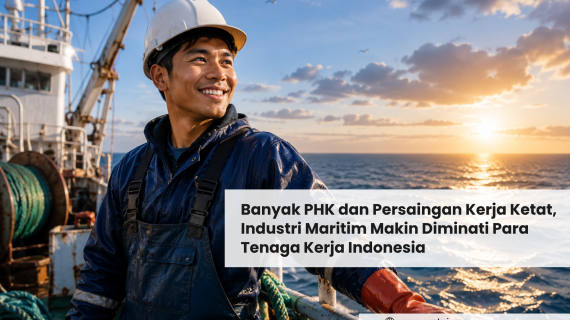
Amidst Layoffs and Fierce Job Competition, the Maritime Industry is Increasingly Attractive to Indonesian Workers

Amidst Layoffs and Fierce Job Competition, the Maritime Industry is Increasingly Attractive to Indonesian Workers

In recent years, the job market in Indonesia has become increasingly challenging. Competition for employment opportunities continues to grow, while many industries are facing company downsizing and layoffs. This situation has encouraged many people to search for alternative career opportunities that offer better income and long-term prospects.

Amid these challenges, the international maritime industry remains one of the sectors that continues to require a large workforce, especially for ship crew member positions.

As a maritime nation with abundant human resources, Indonesia has many workers considered suitable for employment in the international fishing industry. This is one of the reasons why careers as ship crew members are increasingly attracting attention from people seeking new opportunities during difficult economic conditions.

Job Competition in Indonesia Is Becoming More Difficult

For many people, finding stable employment in Indonesia is becoming increasingly difficult.

Job seekers are facing:

  • limited job vacancies
  • competition with hundreds or even thousands of applicants
  • higher skill requirements
  • uncertainty in company stability

In several industries, company efficiency measures and workforce reductions have further intensified employment competition.

This situation has led many people to consider alternative career opportunities with broader prospects.

The International Maritime Industry Still Offers Many Opportunities

Unlike some industries experiencing slowdowns, the international fishing industry continues operating and consistently requires workers.

International fishing vessels continue to operate across global waters to support the worldwide seafood industry.

As a result, the demand for ship crew members remains high, especially for vessels such as:

  • squid vessels
  • samba vessels
  • trawl vessels
  • net fishing vessels
  • longline vessels

Many overseas agencies and vessel companies continue recruiting Indonesian crew members because Indonesian workers are known for their work ethic, adaptability, and endurance.

This is why the international maritime sector is becoming an increasingly attractive alternative career path.

Why Are More People Interested in Becoming Ship Crew Members?

In the middle of difficult job market conditions, the ship crew profession is becoming an appealing option for many workers.

1. More Competitive Income

One of the main reasons people choose to work on international vessels is the opportunity to earn more competitive wages compared to several domestic jobs with similar skill levels.

In addition, while working onboard:

  • meals are provided
  • accommodation is available
  • daily living expenses are relatively low

This allows many crew members to save more money.

2. Opportunities for Repeated Contracts

In the international maritime industry, crew members with good performance often have opportunities to return for future contracts.

This creates long-term career opportunities for workers who wish to continue developing in the maritime sector.

3. International Work Experience

Working on international vessels provides experiences that are very different from ordinary jobs.

Crew members can:

  • work with people from different regions and countries
  • understand international work cultures
  • develop discipline and teamwork skills
  • learn to adapt to challenging environments at sea

These experiences become valuable assets for Indonesian workers.

4. Supporting Family Finances

Many Indonesian crew members have successfully improved their family’s economic condition through international maritime work.

Most workers choose this profession because they want to:

  • improve their family’s quality of life
  • support parents and relatives
  • finance education
  • build a better future

For many people, becoming a ship crew member represents new hope for economic stability.

However, Becoming a Ship Crew Member Is Not Easy

Although it offers great opportunities, working as a ship crew member is far from easy.

The profession requires:

  • strong physical endurance
  • mental readiness
  • high work discipline
  • adaptability

Crew members must also be prepared to:

  • work at sea for months
  • stay away from family
  • face changing ocean weather conditions
  • handle demanding vessel operations

Because of these challenges, serious preparation is essential before deciding to work onboard.

The Importance of Legal Recruitment and Proper Preparation

As interest in maritime jobs increases, prospective workers must be careful when choosing recruitment channels.

Illegal or unclear recruitment processes can create serious risks, including:

  • unclear employment contracts
  • unsafe placements
  • lack of worker protection

For this reason, it is important to choose official and professional recruitment companies such as PT RNT Utama Indonesia.

As a company specializing in international crew placement, PT RNT Utama Indonesia is committed to supporting prospective workers through:

  • legal recruitment systems
  • transparent selection processes
  • training and preparation programs
  • partnerships with trusted international agencies

With proper preparation, Indonesian workers can work more safely and professionally in the international maritime industry.

The Maritime Industry Can Become a Future Opportunity

Amid today’s challenging employment conditions, the international maritime industry remains one of the sectors with strong long-term prospects for Indonesian workers.

Although the work is demanding, the maritime sector continues to offer real opportunities for those willing to work hard and grow professionally.

Becoming a ship crew member is not only about finding a job, but also about:

  • gaining international experience
  • increasing income
  • building a better future
  • creating long-term career opportunities

With proper preparation and official recruitment channels, these opportunities can be pursued more safely and professionally.

Increasing job competition and layoffs across various industries have encouraged many Indonesians to search for new and more promising career opportunities.

In this situation, the international maritime industry has emerged as one of the sectors that continues to provide wide employment opportunities for Indonesian workers.

Through legal recruitment systems, proper training, and professional international partnerships with PT RNT Utama Indonesia, opportunities to build a career as an international ship crew member can become a real path toward a better future.

Want to stay updated on the latest international ship crew job opportunities?

Follow the official website and social media channels of PT RNT Utama Indonesia for the latest information about crew recruitment, training programs, and international career opportunities.

Website: www.rntui.com
Instagram: @rntutama.id

Together with PT RNT Utama Indonesia, build your international maritime career through a legal, safe, and professional process. 

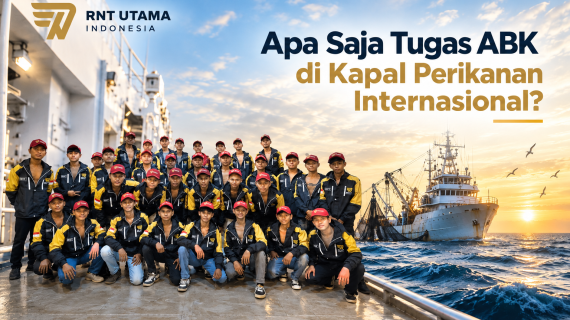
Understanding the Types of International Fishing Vessels and Their Differences

Understanding the Types of International Fishing Vessels and Their Differences

The international fishing industry operates with various types of vessels, each designed for specific fishing methods and operational systems. Because of these differences, the responsibilities of ship crew members (ABK), working environments, and equipment used on each vessel can vary significantly.

For prospective crew members who want to work on international vessels, understanding the different types of fishing vessels is very important. By learning these differences, workers can better understand the work environment, daily responsibilities, and skills required before joining the maritime industry.

As a company specializing in international crew placement, PT RNT Utama Indonesia continues to help Indonesian workers understand the international maritime industry, including the various vessel types commonly used in global fishing operations.

Below are several types of vessels frequently used in the international fishing industry and their key differences.

1. Squid Vessel

A squid vessel is specifically designed for catching squid in offshore waters.

These vessels usually operate at night because the fishing process uses powerful lights to attract squid closer to the vessel.

Characteristics of Squid Vessels

  • Use high-intensity lighting systems
  • Primarily operate during nighttime
  • Focus on squid fishing operations
  • Require crew members with strong stamina

Work System

Crew members on squid vessels are typically responsible for:

  • operating fishing equipment
  • handling catches
  • cleaning work areas
  • sorting seafood products

Work on squid vessels can be physically demanding, especially during peak fishing seasons.

2. Samba Vessel

Samba vessels are also related to squid fishing operations, but they generally involve different operational systems and larger-scale activities compared to regular squid vessels.

In the international fishing industry, samba vessels are known for having intensive work activities that require strong teamwork and coordination.

Characteristics of Samba Vessels

  • Focus on large-scale squid fishing operations
  • Continuous operational activities
  • Require strong teamwork
  • High-intensity working environment

Work Challenges

Crew members on samba vessels must have:

  • strong physical endurance
  • adaptability
  • high work discipline

because vessel operations often continue for long periods at sea.

3. Trawl Vessel

A trawl vessel uses large fishing nets to catch large quantities of fish.

The fishing method involves dragging large nets through the water while the vessel moves.

Characteristics of Trawl Vessels

  • Use large trawl nets
  • Catch various types of fish
  • Operate using net-dragging systems
  • Require strong crew coordination

Work System on Trawl Vessels

Crew members are usually responsible for:

  • operating fishing nets
  • handling catches
  • sorting fish
  • maintaining vessel equipment and machinery

Because trawl vessels use heavy equipment and large nets, the work requires physical strength and careful coordination.

4. Net Fishing Vessel

Net fishing vessels use fishing methods based on various net systems depending on the operational style of the vessel.

These vessels are commonly used worldwide because they can catch fish in large quantities.

Characteristics of Net Fishing Vessels

  • Use net-based fishing systems
  • Suitable for various fish species
  • Operations depend on fishing locations and seasons

Crew Responsibilities

Crew members are typically responsible for:

  • setting fishing nets
  • pulling nets
  • handling catches
  • maintaining cleanliness onboard

Work on net fishing vessels requires excellent teamwork because most tasks are carried out collectively.

5. Longline Vessel

Longline vessels use long fishing lines equipped with hundreds of hooks to catch fish.

This type of vessel is commonly used for catching large fish such as tuna.

Characteristics of Longline Vessels

  • Use long fishing lines with multiple hooks
  • Primarily target large fish
  • Require precision and patience

Work System

Crew members are responsible for:

  • preparing fishing lines
  • placing bait
  • handling catches
  • processing fish products

Compared to trawl or net vessels, work on longline vessels focuses more on technical precision than heavy net operations.

Key Differences Between Vessel Types

Although all these vessels operate within the international fishing industry, each vessel differs in several important aspects.

1. Fishing Methods

  • Squid vessels → use lighting systems
  • Trawl vessels → use dragged nets
  • Longline vessels → use long hook lines
  • Net fishing vessels → use net-based systems

2. Work Intensity

Some vessels involve more physically demanding and intensive work depending on operational systems and fishing targets.

3. Skill Requirements

Certain vessels require greater physical strength, while others require more technical precision and patience.

4. Working Environment

Vessel size, number of crew members, and operational duration can vary significantly between vessel types.

The Importance of Understanding Vessel Types Before Departure

For prospective crew members, understanding vessel types is important to:

  • gain realistic job expectations
  • prepare physically and mentally
  • choose positions that match their abilities
  • understand international vessel work systems

Through recruitment and preparation programs, PT RNT Utama Indonesia helps workers understand the vessel types and work environments they may encounter.

This preparation is important to ensure Indonesian workers are ready to work professionally in the international maritime industry.

The international fishing industry operates with many different vessel types, including squid vessels, samba vessels, trawl vessels, net fishing vessels, and longline vessels. Each vessel has unique characteristics, operational systems, and challenges.

By understanding these differences, prospective crew members can better prepare themselves for work onboard international vessels and develop the necessary skills before departure.

Through official and professional recruitment channels with PT RNT Utama Indonesia, opportunities to work on international vessels can be pursued in a safer, clearer, and more structured way.

Want to learn more about international fishing vessels and career opportunities as a ship crew member?

Stay updated through the official website and social media channels of PT RNT Utama Indonesia for the latest information about crew recruitment, training programs, and international job opportunities.

Website: www.rntui.com
Instagram: @rntutama.id

Together with PT RNT Utama Indonesia, build your international maritime career through a legal, safe, and professional process. 

What Is Life Like as an International Ship Crew Member? The Reality Few People Know

What Is Life Like as an International Ship Crew Member? The Reality Few People Know

Working as a ship crew member (ABK) on international vessels is often seen as an attractive opportunity for people seeking higher income and overseas work experience. However, behind those opportunities, many people still do not fully understand what life at sea is actually like for crew members.

Most people only see the financial benefits without realizing the challenges, routines, and daily life experienced by crew members who spend months working in the middle of the ocean.

As a company specializing in international crew placement, PT RNT Utama Indonesia believes it is important for prospective crew members to understand the real working conditions onboard before deciding to join the maritime industry.

Through this article, we will discuss the reality of life as an international ship crew member — a side of the profession that many people rarely see.

Life as a Ship Crew Member Is Different from Ordinary Jobs

Working on an international vessel is very different from working on land. A crew member does not simply work a shift and return home at the end of the day. Instead, they live and work onboard the vessel throughout the contract period.

Employment contracts generally last:

  • 6 months
  • 8 months
  • up to 1 year

During this time, the vessel continues operating at sea, and all crew members live together in a limited working environment.

Because of this, becoming a ship crew member requires strong physical and mental preparation.

Daily Routines on the Vessel

Life onboard follows a unique work rhythm depending on the type of vessel and operational system.

On international fishing vessels such as:

  • squid vessels
  • samba vessels
  • trawl vessels
  • net fishing vessels

daily activities can continue almost every day depending on fishing operations.

Typical crew routines include:

  • preparing work equipment
  • fishing operations
  • handling catches
  • cleaning work areas
  • maintaining vessel equipment

Working hours may also change depending on sea conditions and catch results.

This is why ship crew work is known for requiring high stamina and endurance.

Living Together in Limited Spaces

One of the biggest adjustments for crew members is living together in limited spaces for long periods.

Onboard, crew members:

  • eat together
  • sleep in shared cabins
  • work closely as a team
  • spend months in the same environment

Because of this, adaptability and teamwork are extremely important.

In many cases, crew members come from different regions or even different countries, requiring strong communication and cooperation skills.

Mental Challenges: Being Away from Family

One of the greatest challenges of working as a ship crew member is being separated from family for extended periods.

Not all vessels provide easy communication access like on land. Sometimes crew members can only contact their families during certain moments when internet or signal access becomes available.

This can become a serious mental challenge, especially for first-time crew members working abroad.

That is why mental readiness is just as important as physical preparation before deciding to work onboard international vessels.

Hard Work That Comes with Great Opportunities

Despite the challenges, many people still choose to work as international crew members because of the opportunities available.

Some of the main benefits include:

  • more competitive income
  • greater savings potential
  • international work experience
  • opportunities to support family finances

Many Indonesian crew members have significantly improved their quality of life after completing several contracts on international vessels.

However, it is important to understand that these financial opportunities come with demanding responsibilities and hard work.

The Importance of Physical Fitness and Work Discipline

Working onboard requires good physical condition and strong discipline.

Crew members must be prepared to face:

  • changing weather conditions
  • physically demanding tasks
  • dynamic work schedules
  • a completely different work environment from life on land

For this reason, placement companies such as PT RNT Utama Indonesia usually conduct selection processes, training, and preparation programs before deployment.

The goal is to ensure that workers are truly prepared for the realities of working on international vessels.

Life at Sea Teaches Valuable Lessons

Behind the demanding work environment, many crew members say that working at sea gives them valuable life experiences.

Working onboard teaches:

  • discipline
  • responsibility
  • teamwork
  • resilience under pressure
  • adaptability to new environments

These experiences often help crew members grow into stronger and more independent individuals after completing their contracts.

The Importance of Choosing an Official and Safe Recruitment Channel

Because life and work at sea involve major challenges, prospective crew members must ensure that they apply through official and trusted recruitment channels.

Through professional companies such as PT RNT Utama Indonesia, candidates receive:

  • clear recruitment processes
  • transparent job information
  • training and preparation
  • legal placement systems

This is extremely important to reduce risks and ensure worker safety during overseas employment.

Life as an international ship crew member is challenging, but it also offers significant opportunities for those who are prepared.

Behind the hard work lies the opportunity to gain international experience, improve income, and build a better future.

However, becoming a crew member should be a well-considered decision supported by a proper understanding of life and work at sea.

Through official and professional processes with PT RNT Utama Indonesia, the path toward an international maritime career can be safer, more structured, and more reliable.

Want to learn more about life as a ship crew member and international maritime career opportunities?

Stay updated through the official website and social media channels of PT RNT Utama Indonesia for the latest information about crew recruitment, training programs, and international job opportunities.

Website: www.rntui.com
Instagram: @rntutama.id

Together with PT RNT Utama Indonesia, build your international maritime career through a legal, safe, and professional process. 

How to Pass ABK Selection for Beginners: From Zero to Ready for International Vessel Deployment

How to Pass ABK Selection for Beginners: From Zero to Ready for International Vessel Deployment

Many people are interested in working as a ship crew member (ABK) because of the promising income and the opportunity to work abroad. However, many applicants fail during the selection process, even before they get the chance to be deployed.

The main issue is not a lack of motivation, but a lack of understanding of how the selection process works and what companies actually assess.

As a professional crew placement company, PT RNT Utama Indonesia emphasizes that successful candidates are not just those who are willing, but those who are prepared in terms of documents, skills, mental readiness, and work attitude.

This article explains in detail how to increase your chances of passing the selection, even if you have no prior experience.

Understanding the Real Selection Process

Before discussing tips, it is important to understand that ABK selection consists of multiple stages, each with different evaluation criteria.

Generally, the process includes:

  • Document verification
  • Initial interview
  • Medical check-up
  • Psychological assessment
  • Basic training (BST)
  • Competency test
  • Vessel placement

Many candidates fail not because they are incapable, but because they are not prepared for one of these stages.

1. Ensure Your Documents Are Accurate and Complete

One of the most common mistakes beginners make is treating documents as a mere formality. In reality, this is the first and most critical stage.

Common issues include:

  • Inconsistent names across documents
  • Incomplete documentation
  • Invalid or unclear data
  • Missing required documents such as police clearance

Professional companies like PT RNT Utama Indonesia apply strict document verification because these records are used for international processing.

Tip:
Make sure all your personal data is consistent and your documents are complete before applying.

2. Take the Interview Seriously

Many candidates attend interviews without preparation, assuming it is just a formality. This is a major mistake.

Interviews are used to evaluate:

  • attitude
  • communication skills
  • seriousness
  • mental readiness

Common assessment points include:

  • understanding of ABK responsibilities
  • readiness to work at sea for long periods
  • ability to follow rules

Practical tips:

  • Answer clearly and concisely
  • Avoid being overly casual
  • Show seriousness and commitment

3. Prepare Your Physical Condition Early

Working on a vessel is physically demanding. Many applicants fail the medical check-up due to poor physical condition.

Common issues include:

  • non-ideal body condition
  • health problems (lungs, heart, etc.)
  • medical history concerns
  • low stamina

Tip:
Start preparing your body before applying:

  • exercise regularly
  • get enough rest
  • avoid unhealthy habits

Physical readiness is essential, not optional.

4. Learn the Basics Even as a Beginner

Some beginners assume they do not need preparation because they will be trained later. This mindset is incorrect.

Companies prefer candidates who:

  • have basic understanding of the job
  • show initiative to learn
  • are not completely unfamiliar

At minimum, understand:

  • types of vessels (samba, longline, trawl)
  • basic crew responsibilities
  • working conditions at sea

5. Take the Competency Test Seriously

The competency test is one of the most critical stages. This is where your actual ability is evaluated.

Assessments include:

  • work execution
  • learning speed
  • accuracy
  • discipline

Common mistakes:

  • lack of focus
  • underestimating the test
  • ignoring instructions

Your performance here can determine whether you are selected or not.

6. Be Mentally Prepared

Working on a vessel means:

  • being away from family for months
  • handling physically demanding tasks
  • facing high work pressure
  • living outside your comfort zone

Companies will assess whether you are truly ready or just trying.

Tip:
Do not apply if you are:

  • unsure
  • mentally unprepared
  • influenced by others

7. Attitude Matters More Than Skill

Skills can be trained, but attitude is harder to change.

Shipping companies prioritize:

  • discipline
  • responsibility
  • teamwork
  • compliance with rules

Many candidates with strong skills fail due to poor attitude, while beginners with good attitude are often prioritized.

8. Choose a Legal and Professional Path

A common mistake is choosing unofficial channels for faster deployment.

Risks include:

  • unclear contracts
  • lack of protection
  • potential fraud
  • unsafe working conditions

Through professional companies like PT RNT Utama Indonesia, the process may be stricter, but it is:

  • safer
  • structured
  • more reliable for long-term career growth

9. Stay Consistent and Don’t Give Up

Not everyone passes on the first attempt, and that is normal.

What matters is:

  • learning from mistakes
  • improving weaknesses
  • trying again

Successful candidates are those who continue preparing and improving.

Conclusion

Passing ABK selection is not about luck, but about preparation. From documentation to physical readiness, mental strength, and attitude, every aspect plays a role.

For beginners, opportunities remain open as long as you are willing to learn and follow the correct process.

Through a structured selection system, PT RNT Utama Indonesia continues to support Indonesian workers in pursuing careers in the international maritime industry safely and professionally.

If you are serious about becoming an ABK, start preparing now. Because in the end, success belongs not to those who move fastest, but to those who are best prepared. 🌊⚡

Requirements to Become an International Ship Crew (ABK): The Importance of Competency Testing Before Deployment

Requirements to Become an International Ship Crew (ABK): The Importance of Competency Testing Before Deployment

The interest in working as a ship crew member (ABK) on international vessels continues to grow in Indonesia. Many people are attracted to this profession due to the higher income compared to land-based jobs, as well as the opportunity to gain international work experience. However, not all candidates fully understand that becoming an ABK requires meeting several important requirements.

Working on a ship is not just about going abroad and earning money. It demands physical endurance, mental readiness, and technical skills that meet global maritime standards. One of the most important requirements, often underestimated, is competency testing.

As a professional crew placement company, PT RNT Utama Indonesia emphasizes that competency testing is not merely a formality, but a critical step to ensure that candidates are truly prepared for the job.

General Requirements to Become an International Ship Crew (ABK)

Before discussing competency testing, it is important to understand the basic requirements for becoming an ABK. In general, candidates must have:

  • Valid identification documents (ID card, family card, etc.)
  • Seaman Book
  • Basic Safety Training (BST) certificate
  • Skill certificates according to position (deck, engine, cook, etc.)
  • Medical check-up clearance
  • Police clearance certificate (SKCK)

However, having complete documents alone is not enough. Many candidates meet administrative requirements but fail in real working conditions due to a lack of practical skills.

This is where competency testing becomes essential.

What is Crew Competency Testing?

Competency testing is a process used to evaluate the actual abilities of prospective crew members, including both technical skills and work readiness.

Unlike certificates that only prove participation, competency testing measures whether a candidate can perform tasks according to real shipboard standards.

For example:

  • Can the candidate perform deck duties properly?
  • Can they follow work instructions effectively?
  • Do they understand safety procedures in emergency situations?

Competency testing provides real answers to these questions.

Why is Competency Testing Important?

1. Increasingly Strict International Standards

International shipping companies do not rely solely on documents. They need crew members who are ready to work immediately.

Without competency testing, the chances of being accepted are significantly lower.

2. Reducing Work Errors on Board

Working on a ship involves high-risk conditions. Even small mistakes can lead to serious consequences.

Competency testing ensures that candidates:

  • understand their responsibilities
  • are aware of risks
  • can perform tasks according to procedures

3. Adding Value in the Selection Process

Candidates who have passed competency testing are considered more professional and job-ready.

This gives them an advantage during:

  • interviews
  • ship owner selection
  • position placement

4. Helping Faster Adaptation Onboard

Many crew members fail not because they are physically unfit, but because they are not mentally and technically prepared.

Through competency testing, candidates:

  • understand the work environment
  • adapt faster to pressure
  • learn how to work effectively in teams

What is Evaluated in Competency Testing?

Competency testing typically covers several important areas:

Technical Skills

  • deck operations (rope handling, fishing equipment, etc.)
  • basic engine knowledge
  • position-specific skills

Work Procedures

  • workflow onboard
  • understanding instructions
  • proper use of equipment

Safety Awareness

  • use of safety equipment
  • emergency procedures
  • accident handling

Mental Readiness

  • discipline
  • responsibility
  • teamwork

Basic Communication

  • understanding instructions
  • coordination with crew members

Risks of Skipping Competency Testing

Some candidates are tempted to skip proper procedures for faster deployment. However, this can lead to serious risks:

  • inability to perform tasks properly
  • difficulty adapting onboard
  • increased risk of accidents
  • early termination of contract
  • loss of future job opportunities

In many cases, unprepared crew members face greater losses compared to those who follow proper processes.

The Role of Recruitment Companies in Ensuring Quality

Crew recruitment companies play a crucial role in ensuring the quality of workers they deploy.

PT RNT Utama Indonesia not only recruits candidates but also ensures they undergo proper training and competency evaluation.

Through partnerships with professional training institutions, the company helps candidates:

  • understand real shipboard work
  • improve their skills
  • prepare mentally

This approach results in better-prepared crew members who are trusted by international partners.

Competency Testing as a Career Investment

For aspiring ABK, competency testing is not just a requirement, but a long-term investment.

With strong skills, opportunities increase to:

  • secure better contracts
  • get promoted onboard
  • be rehired by shipping companies
  • earn higher income

A maritime career does not end with one contract. Skilled workers will always have more opportunities.

Conclusion

Becoming an international ship crew member offers great opportunities, but it also requires proper preparation. Beyond administrative requirements, candidates must ensure they possess the necessary skills.

Competency testing is a key step in ensuring readiness. It improves safety, work quality, and the chances of success in the maritime industry.

For those who aspire to become ABK, it is essential to follow the correct process through a professional company like PT RNT Utama Indonesia.

Because in the end, it is not those who leave the fastest who succeed, but those who are best prepared.

Beware of Illegal Crew Placement Companies : These Are the Risks You Should Be Aware Of

Beware of Illegal Crew Placement Companies : These Are the Risks You Should Be Aware Of

Interest among Indonesians in working as crew members (ABK) on national and international vessels continues to grow year by year. Career opportunities in the maritime sector are indeed promising, both in terms of experience and income. However, behind these opportunities lies a serious risk that is often overlooked: departing through illegal crew placement companies.

The lack of understanding among prospective crew members regarding proper placement procedures is frequently exploited by irresponsible parties. Offers of fast deployment, low costs, or promises of high salaries often become bait that later leads to serious problems. Therefore, it is crucial for prospective crew members and their families to understand the risks of illegal crew placement companies before making a decision.

Why Illegal Crew Placement Companies Still Exist

Global demand for maritime labor continues to increase. Many international fishing fleets require large numbers of crew members, while not all countries are able to meet these needs domestically. This situation creates significant opportunities for Indonesian maritime workers.

Unfortunately, this high demand is not always matched by adequate awareness among prospective workers. Many candidates are still unable to distinguish between legal and illegal placement companies. This gap is exploited by certain parties who offer instant processes without clear procedures.

Limited legal literacy and the desire to depart quickly often cause prospective crew members to ignore legal aspects, even though the consequences can be severe.

Warning Signs of Illegal Crew Placement Companies

Recognizing the characteristics of illegal crew placement companies is a crucial step in self-protection. Some warning signs include:

  • Lack of official placement licenses from relevant authorities
  • Unclear or frequently changing office addresses
  • Absence of a valid written employment contract
  • Promises of quick departure without selection or training
  • Lack of transparency regarding salary, deductions, and working hours
  • Ignoring medical examinations and seafarer documentation

Companies that do not carry out complete administrative and legal processes should be treated with caution, as these aspects are directly related to crew protection in the destination country.

Major Risks of Departing Through Illegal Placement Channels

Working as a crew member through illegal placement channels carries serious risks. These risks affect not only career development but also safety and future prospects.

Common risks include:

  • No legal protection, leaving crew members vulnerable to contract violations
  • Labor exploitation, such as excessive working hours without proper wages
  • Unpaid or arbitrarily deducted salaries
  • Limited access to legal assistance during employment disputes
  • Risk of deportation or detention due to illegal work status
  • Unsafe working conditions, including lack of insurance and proper equipment

Many cases show that illegally deployed crew members face severe difficulties when problems arise abroad.

Long-Term Impact on Crew Members and Their Families

The risks associated with illegal placement do not end with the completion of a work contract. Long-term consequences are often felt by both crew members and their families.

Legal issues overseas can result in psychological trauma. Unpaid income negatively affects family finances. Furthermore, negative work records may limit future opportunities to work legally in the maritime sector.

These realities show that choosing illegal placement routes can seriously jeopardize a crew member’s future.

The Importance of Choosing a Licensed Crew Placement Company

Selecting a licensed and official crew placement company is essential to ensure safety and career sustainability. Licensed companies operate in accordance with government regulations and international standards.

Through official placement companies, crew members receive:

  • Clear and legally valid employment contracts
  • Proper selection and training processes before departure
  • Complete medical examinations and documentation
  • Legal and labor protection
  • Assistance before and during employment

With a structured system in place, work-related risks are minimized and crew members’ rights are better protected.

PT RNT Utama Indonesia’s Commitment to Legal Crew Placement

As a company engaged in crew placement and management, PT RNT Utama Indonesia prioritizes legality and worker protection in every placement process. All deployments are carried out through official channels, with strong attention to safety and readiness.

PT RNT Utama Indonesia implements professional selection systems, document verification, and close coordination with vessel partners. This approach ensures that deployed crew members have legal certainty, clear employment contracts, and proper protection.

This commitment is part of the company’s effort to uphold the reputation of Indonesian crew members in the international maritime industry.

Safety Tips for Prospective Crew Members Before Applying

For individuals planning to work on national or international vessels, the following steps can help avoid illegal placement risks:

  • Always verify the company’s legal licenses
  • Visit the official office directly, not solely rely on online communication
  • Ensure there is a written employment contract that can be reviewed
  • Avoid offers of instant departure without proper procedures
  • Ask detailed questions about salary, working hours, and protection

These simple steps can help prospective crew members make safer and more informed decisions.

Working as a crew member offers promising career opportunities, but it must be pursued through legitimate channels. Illegal crew placement companies pose serious risks that can negatively impact crew members and their families in the long term.

By understanding the characteristics and dangers of illegal placement, prospective crew members are encouraged to be more cautious and selective. Choosing a licensed placement company is a crucial step toward ensuring safety, legal certainty, and a sustainable maritime career.

PT RNT Utama Indonesia believes that education and transparency are key to building a safe, legal, and professional crew placement system for Indonesia’s maritime generation.

The Interview and Selection Process for Prospective Seafarers at PT RNT Utama Indonesia

The Interview and Selection Process for Prospective Seafarers at PT RNT Utama Indonesia

Becoming a seafarer is not only about having the courage to sail or the willingness to work at sea. Behind every successful seafarer deployment, there is a strict, structured, and professional selection and interview process. PT RNT Utama Indonesia implements a comprehensive selection system to ensure that every prospective seafarer is fully prepared physically, mentally, technically, and administratively.

This article explains in detail the interview and selection stages for prospective seafarers at PT RNT Utama Indonesia, while also serving as an educational reference for the public who wish to register and build a career in the maritime industry.

Initial Registration and Document Screening

The selection process begins when prospective seafarers register at the PT RNT Utama Indonesia office. At this stage, the administration team conducts an initial review of essential documents, including:

  • National ID card and Family Card
  • Seafarer Book (if already available)
  • BST (Basic Safety Training) certificate
  • Skill certificates according to the applied position (Cook, Oiler, OS, AB, etc.)
  • Work experience letters (if any)
  • Passport photos and complete personal data

This stage is crucial, as documentation forms the legal foundation for a seafarer to work on national and international vessels. The PT RNT Utama Indonesia team ensures that all documents comply with applicable maritime regulations.

Administrative Interview and Candidate Profile Assessment

Once the documents are declared complete, prospective seafarers proceed to an initial interview with the office team. This interview aims to gain a deeper understanding of the candidate’s profile, including:

  • Educational background and work experience
  • Applied position and understanding of job responsibilities
  • Motivation for working as a seafarer
  • Readiness to be assigned to a vessel and work location

At this stage, the team evaluates honesty, communication skills, and the candidate’s suitability with company requirements and vessel partner demands.

Mental Readiness and Work Attitude Assessment

Working on a vessel requires strong mental resilience and a positive work attitude. Therefore, PT RNT Utama Indonesia places significant emphasis on evaluating the mental and character aspects of prospective seafarers.

Key aspects assessed include:

  • Discipline and sense of responsibility
  • Ability to work in a team
  • Attitude toward supervisors and colleagues
  • Ability to handle work pressure
  • Willingness to work far from family

This stage aims to minimize potential issues during deployment and ensure that candidates can adapt well to life at sea.

Medical Check-Up

Medical examinations are a mandatory stage in the seafarer selection process. PT RNT Utama Indonesia cooperates with authorized medical facilities to conduct comprehensive health checks, including:

  • General physical examination
  • Vision and hearing tests
  • Blood and urine tests
  • Heart and lung examinations
  • Drug testing

Only candidates declared fit to work may proceed to the next stage. This is essential to ensure onboard safety and compliance with international maritime standards.

Police Clearance Certificate (SKCK) and Supporting Administration

In addition to health requirements, legal and security aspects are also a major concern. Prospective seafarers are required to possess a valid Police Clearance Certificate (SKCK).

The PT RNT Utama Indonesia team provides guidance during the SKCK application process and ensures there are no legal records that could hinder vessel placement.

Skill and Technical Competency Testing

For certain positions, prospective seafarers must undergo skill tests relevant to their field, such as:

  • Basic navigation and deck work skills
  • Engine knowledge for engine department positions
  • Cooking skills for cook positions
  • Understanding of onboard safety procedures

This stage ensures that candidates not only meet administrative requirements but are also technically competent.

Coordination with Vessel Partners and Owners

After passing internal selection stages, PT RNT Utama Indonesia coordinates with vessel partners or owners. In some cases, candidates may also be required to attend additional interviews, either online or directly with the vessel owner.

This process serves as the final determination before the candidate is officially approved for deployment and assigned a departure schedule.

Pre-Departure Briefing and Education

Before departure, prospective seafarers receive a briefing from the PT RNT Utama Indonesia team. Briefing materials include:

  • Employment contracts and rights and obligations
  • Vessel working regulations
  • Ethics and professionalism as a seafarer
  • Mental and physical readiness before sailing

This stage ensures that seafarers depart with clear understanding and strong confidence.

PT RNT Utama Indonesia’s Commitment to Seafarer Quality

The entire interview and selection process reflects PT RNT Utama Indonesia’s commitment to developing and deploying qualified, professional seafarers who are ready to compete globally.

The company not only focuses on deployment numbers but also ensures that every seafarer represents Indonesia positively on the vessels where they work.

The interview and selection process for prospective seafarers at PT RNT Utama Indonesia is not a short process, but a series of carefully designed stages intended to protect both workers and vessel partners. For those aspiring to become seafarers, understanding this process will help in better preparation.

PT RNT Utama Indonesia continues to open opportunities for serious, committed candidates who are ready to grow in the maritime industry.

For those with strong determination to pursue a career as a seafarer and who seek a clear, safe, and professional selection process, PT RNT Utama Indonesia welcomes applications for deployment on national and international vessels.

With a transparent selection system, comprehensive administrative assistance, and a wide network of vessel partners, PT RNT Utama Indonesia is committed to helping prospective seafarers begin their maritime careers legally and sustainably.

Register now through PT RNT Utama Indonesia
Visit our office directly or contact our team for seafarer registration information
Become part of professional seafarers ready to compete in the global maritime industry

logo RNT (4)

PT RNT Utama Indonesia

Head Office

(Fishing, Merchant, and Cruise Vessel)

@2025 Copyright PT RNT Utama Indonesia | Web Design by Lafasy Digital