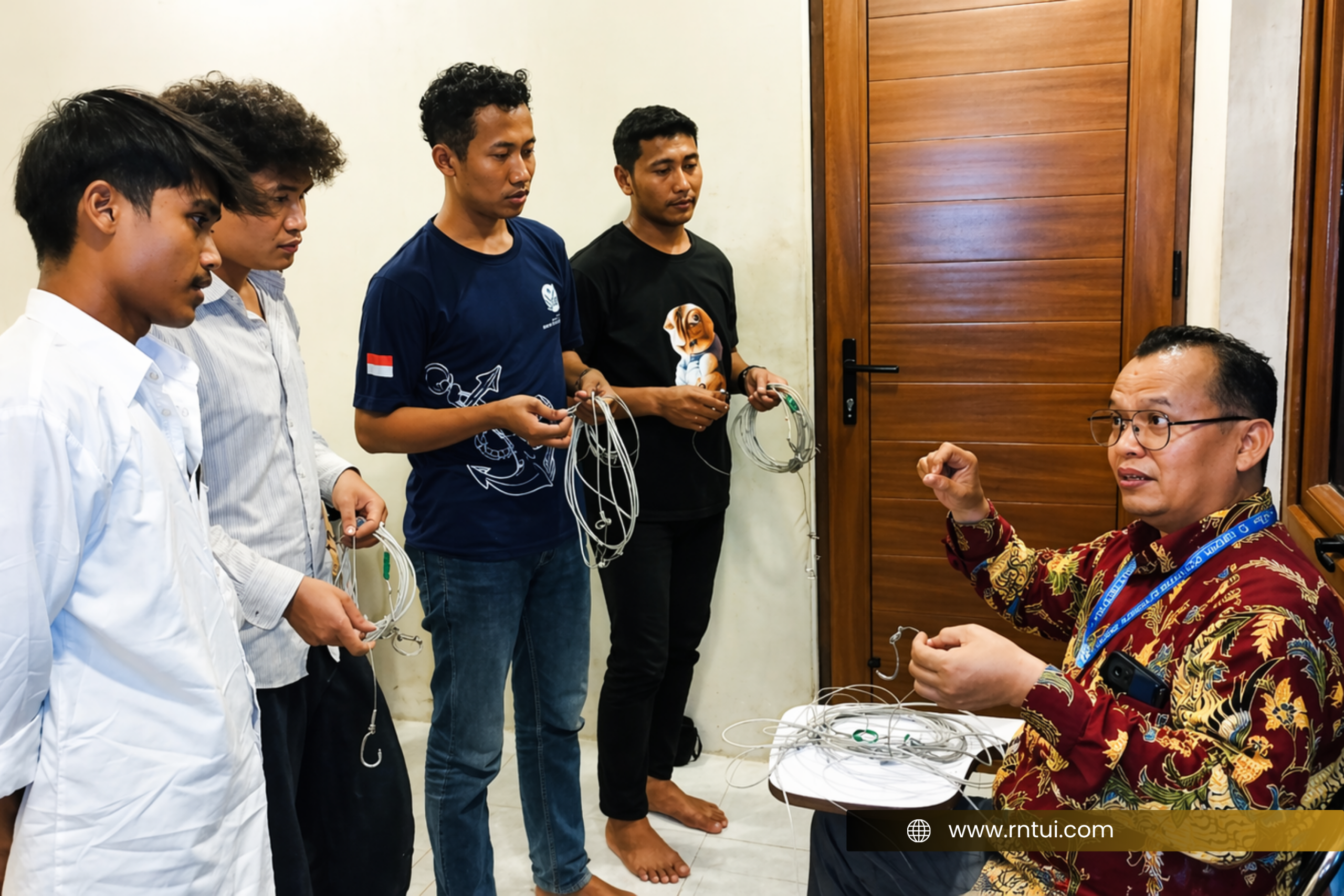
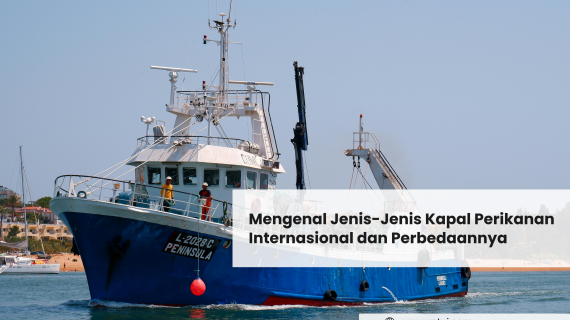
Understanding the Types of International Fishing Vessels and Their Differences

Understanding the Types of International Fishing Vessels and Their Differences

The international fishing industry operates with various types of vessels, each designed for specific fishing methods and operational systems. Because of these differences, the responsibilities of ship crew members (ABK), working environments, and equipment used on each vessel can vary significantly.

For prospective crew members who want to work on international vessels, understanding the different types of fishing vessels is very important. By learning these differences, workers can better understand the work environment, daily responsibilities, and skills required before joining the maritime industry.

As a company specializing in international crew placement, PT RNT Utama Indonesia continues to help Indonesian workers understand the international maritime industry, including the various vessel types commonly used in global fishing operations.

Below are several types of vessels frequently used in the international fishing industry and their key differences.

1. Squid Vessel

A squid vessel is specifically designed for catching squid in offshore waters.

These vessels usually operate at night because the fishing process uses powerful lights to attract squid closer to the vessel.

Characteristics of Squid Vessels

  • Use high-intensity lighting systems
  • Primarily operate during nighttime
  • Focus on squid fishing operations
  • Require crew members with strong stamina

Work System

Crew members on squid vessels are typically responsible for:

  • operating fishing equipment
  • handling catches
  • cleaning work areas
  • sorting seafood products

Work on squid vessels can be physically demanding, especially during peak fishing seasons.

2. Samba Vessel

Samba vessels are also related to squid fishing operations, but they generally involve different operational systems and larger-scale activities compared to regular squid vessels.

In the international fishing industry, samba vessels are known for having intensive work activities that require strong teamwork and coordination.

Characteristics of Samba Vessels

  • Focus on large-scale squid fishing operations
  • Continuous operational activities
  • Require strong teamwork
  • High-intensity working environment

Work Challenges

Crew members on samba vessels must have:

  • strong physical endurance
  • adaptability
  • high work discipline

because vessel operations often continue for long periods at sea.

3. Trawl Vessel

A trawl vessel uses large fishing nets to catch large quantities of fish.

The fishing method involves dragging large nets through the water while the vessel moves.

Characteristics of Trawl Vessels

  • Use large trawl nets
  • Catch various types of fish
  • Operate using net-dragging systems
  • Require strong crew coordination

Work System on Trawl Vessels

Crew members are usually responsible for:

  • operating fishing nets
  • handling catches
  • sorting fish
  • maintaining vessel equipment and machinery

Because trawl vessels use heavy equipment and large nets, the work requires physical strength and careful coordination.

4. Net Fishing Vessel

Net fishing vessels use fishing methods based on various net systems depending on the operational style of the vessel.

These vessels are commonly used worldwide because they can catch fish in large quantities.

Characteristics of Net Fishing Vessels

  • Use net-based fishing systems
  • Suitable for various fish species
  • Operations depend on fishing locations and seasons

Crew Responsibilities

Crew members are typically responsible for:

  • setting fishing nets
  • pulling nets
  • handling catches
  • maintaining cleanliness onboard

Work on net fishing vessels requires excellent teamwork because most tasks are carried out collectively.

5. Longline Vessel

Longline vessels use long fishing lines equipped with hundreds of hooks to catch fish.

This type of vessel is commonly used for catching large fish such as tuna.

Characteristics of Longline Vessels

  • Use long fishing lines with multiple hooks
  • Primarily target large fish
  • Require precision and patience

Work System

Crew members are responsible for:

  • preparing fishing lines
  • placing bait
  • handling catches
  • processing fish products

Compared to trawl or net vessels, work on longline vessels focuses more on technical precision than heavy net operations.

Key Differences Between Vessel Types

Although all these vessels operate within the international fishing industry, each vessel differs in several important aspects.

1. Fishing Methods

  • Squid vessels → use lighting systems
  • Trawl vessels → use dragged nets
  • Longline vessels → use long hook lines
  • Net fishing vessels → use net-based systems

2. Work Intensity

Some vessels involve more physically demanding and intensive work depending on operational systems and fishing targets.

3. Skill Requirements

Certain vessels require greater physical strength, while others require more technical precision and patience.

4. Working Environment

Vessel size, number of crew members, and operational duration can vary significantly between vessel types.

The Importance of Understanding Vessel Types Before Departure

For prospective crew members, understanding vessel types is important to:

  • gain realistic job expectations
  • prepare physically and mentally
  • choose positions that match their abilities
  • understand international vessel work systems

Through recruitment and preparation programs, PT RNT Utama Indonesia helps workers understand the vessel types and work environments they may encounter.

This preparation is important to ensure Indonesian workers are ready to work professionally in the international maritime industry.

The international fishing industry operates with many different vessel types, including squid vessels, samba vessels, trawl vessels, net fishing vessels, and longline vessels. Each vessel has unique characteristics, operational systems, and challenges.

By understanding these differences, prospective crew members can better prepare themselves for work onboard international vessels and develop the necessary skills before departure.

Through official and professional recruitment channels with PT RNT Utama Indonesia, opportunities to work on international vessels can be pursued in a safer, clearer, and more structured way.

Want to learn more about international fishing vessels and career opportunities as a ship crew member?

Stay updated through the official website and social media channels of PT RNT Utama Indonesia for the latest information about crew recruitment, training programs, and international job opportunities.

Website: www.rntui.com
Instagram: @rntutama.id

Together with PT RNT Utama Indonesia, build your international maritime career through a legal, safe, and professional process. 
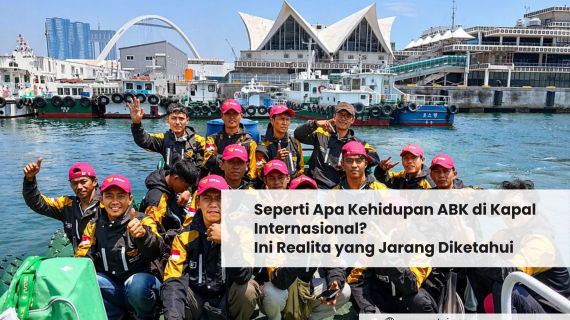
What Is Life Like as an International Ship Crew Member? The Reality Few People Know

What Is Life Like as an International Ship Crew Member? The Reality Few People Know

Working as a ship crew member (ABK) on international vessels is often seen as an attractive opportunity for people seeking higher income and overseas work experience. However, behind those opportunities, many people still do not fully understand what life at sea is actually like for crew members.

Most people only see the financial benefits without realizing the challenges, routines, and daily life experienced by crew members who spend months working in the middle of the ocean.

As a company specializing in international crew placement, PT RNT Utama Indonesia believes it is important for prospective crew members to understand the real working conditions onboard before deciding to join the maritime industry.

Through this article, we will discuss the reality of life as an international ship crew member — a side of the profession that many people rarely see.

Life as a Ship Crew Member Is Different from Ordinary Jobs

Working on an international vessel is very different from working on land. A crew member does not simply work a shift and return home at the end of the day. Instead, they live and work onboard the vessel throughout the contract period.

Employment contracts generally last:

  • 6 months
  • 8 months
  • up to 1 year

During this time, the vessel continues operating at sea, and all crew members live together in a limited working environment.

Because of this, becoming a ship crew member requires strong physical and mental preparation.

Daily Routines on the Vessel

Life onboard follows a unique work rhythm depending on the type of vessel and operational system.

On international fishing vessels such as:

  • squid vessels
  • samba vessels
  • trawl vessels
  • net fishing vessels

daily activities can continue almost every day depending on fishing operations.

Typical crew routines include:

  • preparing work equipment
  • fishing operations
  • handling catches
  • cleaning work areas
  • maintaining vessel equipment

Working hours may also change depending on sea conditions and catch results.

This is why ship crew work is known for requiring high stamina and endurance.

Living Together in Limited Spaces

One of the biggest adjustments for crew members is living together in limited spaces for long periods.

Onboard, crew members:

  • eat together
  • sleep in shared cabins
  • work closely as a team
  • spend months in the same environment

Because of this, adaptability and teamwork are extremely important.

In many cases, crew members come from different regions or even different countries, requiring strong communication and cooperation skills.

Mental Challenges: Being Away from Family

One of the greatest challenges of working as a ship crew member is being separated from family for extended periods.

Not all vessels provide easy communication access like on land. Sometimes crew members can only contact their families during certain moments when internet or signal access becomes available.

This can become a serious mental challenge, especially for first-time crew members working abroad.

That is why mental readiness is just as important as physical preparation before deciding to work onboard international vessels.

Hard Work That Comes with Great Opportunities

Despite the challenges, many people still choose to work as international crew members because of the opportunities available.

Some of the main benefits include:

  • more competitive income
  • greater savings potential
  • international work experience
  • opportunities to support family finances

Many Indonesian crew members have significantly improved their quality of life after completing several contracts on international vessels.

However, it is important to understand that these financial opportunities come with demanding responsibilities and hard work.

The Importance of Physical Fitness and Work Discipline

Working onboard requires good physical condition and strong discipline.

Crew members must be prepared to face:

  • changing weather conditions
  • physically demanding tasks
  • dynamic work schedules
  • a completely different work environment from life on land

For this reason, placement companies such as PT RNT Utama Indonesia usually conduct selection processes, training, and preparation programs before deployment.

The goal is to ensure that workers are truly prepared for the realities of working on international vessels.

Life at Sea Teaches Valuable Lessons

Behind the demanding work environment, many crew members say that working at sea gives them valuable life experiences.

Working onboard teaches:

  • discipline
  • responsibility
  • teamwork
  • resilience under pressure
  • adaptability to new environments

These experiences often help crew members grow into stronger and more independent individuals after completing their contracts.

The Importance of Choosing an Official and Safe Recruitment Channel

Because life and work at sea involve major challenges, prospective crew members must ensure that they apply through official and trusted recruitment channels.

Through professional companies such as PT RNT Utama Indonesia, candidates receive:

  • clear recruitment processes
  • transparent job information
  • training and preparation
  • legal placement systems

This is extremely important to reduce risks and ensure worker safety during overseas employment.

Life as an international ship crew member is challenging, but it also offers significant opportunities for those who are prepared.

Behind the hard work lies the opportunity to gain international experience, improve income, and build a better future.

However, becoming a crew member should be a well-considered decision supported by a proper understanding of life and work at sea.

Through official and professional processes with PT RNT Utama Indonesia, the path toward an international maritime career can be safer, more structured, and more reliable.

Want to learn more about life as a ship crew member and international maritime career opportunities?

Stay updated through the official website and social media channels of PT RNT Utama Indonesia for the latest information about crew recruitment, training programs, and international job opportunities.

Website: www.rntui.com
Instagram: @rntutama.id

Together with PT RNT Utama Indonesia, build your international maritime career through a legal, safe, and professional process. 
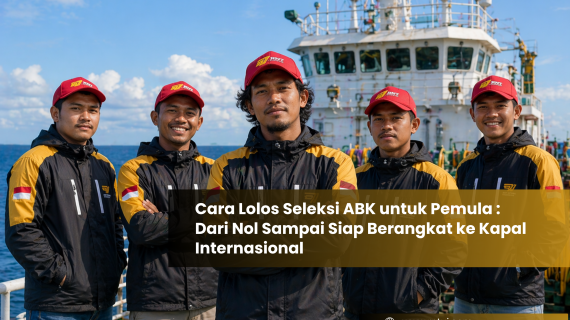
How to Pass ABK Selection for Beginners: From Zero to Ready for International Vessel Deployment

How to Pass ABK Selection for Beginners: From Zero to Ready for International Vessel Deployment

Many people are interested in working as a ship crew member (ABK) because of the promising income and the opportunity to work abroad. However, many applicants fail during the selection process, even before they get the chance to be deployed.

The main issue is not a lack of motivation, but a lack of understanding of how the selection process works and what companies actually assess.

As a professional crew placement company, PT RNT Utama Indonesia emphasizes that successful candidates are not just those who are willing, but those who are prepared in terms of documents, skills, mental readiness, and work attitude.

This article explains in detail how to increase your chances of passing the selection, even if you have no prior experience.

Understanding the Real Selection Process

Before discussing tips, it is important to understand that ABK selection consists of multiple stages, each with different evaluation criteria.

Generally, the process includes:

  • Document verification
  • Initial interview
  • Medical check-up
  • Psychological assessment
  • Basic training (BST)
  • Competency test
  • Vessel placement

Many candidates fail not because they are incapable, but because they are not prepared for one of these stages.

1. Ensure Your Documents Are Accurate and Complete

One of the most common mistakes beginners make is treating documents as a mere formality. In reality, this is the first and most critical stage.

Common issues include:

  • Inconsistent names across documents
  • Incomplete documentation
  • Invalid or unclear data
  • Missing required documents such as police clearance

Professional companies like PT RNT Utama Indonesia apply strict document verification because these records are used for international processing.

Tip:
Make sure all your personal data is consistent and your documents are complete before applying.

2. Take the Interview Seriously

Many candidates attend interviews without preparation, assuming it is just a formality. This is a major mistake.

Interviews are used to evaluate:

  • attitude
  • communication skills
  • seriousness
  • mental readiness

Common assessment points include:

  • understanding of ABK responsibilities
  • readiness to work at sea for long periods
  • ability to follow rules

Practical tips:

  • Answer clearly and concisely
  • Avoid being overly casual
  • Show seriousness and commitment

3. Prepare Your Physical Condition Early

Working on a vessel is physically demanding. Many applicants fail the medical check-up due to poor physical condition.

Common issues include:

  • non-ideal body condition
  • health problems (lungs, heart, etc.)
  • medical history concerns
  • low stamina

Tip:
Start preparing your body before applying:

  • exercise regularly
  • get enough rest
  • avoid unhealthy habits

Physical readiness is essential, not optional.

4. Learn the Basics Even as a Beginner

Some beginners assume they do not need preparation because they will be trained later. This mindset is incorrect.

Companies prefer candidates who:

  • have basic understanding of the job
  • show initiative to learn
  • are not completely unfamiliar

At minimum, understand:

  • types of vessels (samba, longline, trawl)
  • basic crew responsibilities
  • working conditions at sea

5. Take the Competency Test Seriously

The competency test is one of the most critical stages. This is where your actual ability is evaluated.

Assessments include:

  • work execution
  • learning speed
  • accuracy
  • discipline

Common mistakes:

  • lack of focus
  • underestimating the test
  • ignoring instructions

Your performance here can determine whether you are selected or not.

6. Be Mentally Prepared

Working on a vessel means:

  • being away from family for months
  • handling physically demanding tasks
  • facing high work pressure
  • living outside your comfort zone

Companies will assess whether you are truly ready or just trying.

Tip:
Do not apply if you are:

  • unsure
  • mentally unprepared
  • influenced by others

7. Attitude Matters More Than Skill

Skills can be trained, but attitude is harder to change.

Shipping companies prioritize:

  • discipline
  • responsibility
  • teamwork
  • compliance with rules

Many candidates with strong skills fail due to poor attitude, while beginners with good attitude are often prioritized.

8. Choose a Legal and Professional Path

A common mistake is choosing unofficial channels for faster deployment.

Risks include:

  • unclear contracts
  • lack of protection
  • potential fraud
  • unsafe working conditions

Through professional companies like PT RNT Utama Indonesia, the process may be stricter, but it is:

  • safer
  • structured
  • more reliable for long-term career growth

9. Stay Consistent and Don’t Give Up

Not everyone passes on the first attempt, and that is normal.

What matters is:

  • learning from mistakes
  • improving weaknesses
  • trying again

Successful candidates are those who continue preparing and improving.

Conclusion

Passing ABK selection is not about luck, but about preparation. From documentation to physical readiness, mental strength, and attitude, every aspect plays a role.

For beginners, opportunities remain open as long as you are willing to learn and follow the correct process.

Through a structured selection system, PT RNT Utama Indonesia continues to support Indonesian workers in pursuing careers in the international maritime industry safely and professionally.

If you are serious about becoming an ABK, start preparing now. Because in the end, success belongs not to those who move fastest, but to those who are best prepared. 🌊⚡

Requirements to Become an International Ship Crew (ABK): The Importance of Competency Testing Before Deployment

Requirements to Become an International Ship Crew (ABK): The Importance of Competency Testing Before Deployment

The interest in working as a ship crew member (ABK) on international vessels continues to grow in Indonesia. Many people are attracted to this profession due to the higher income compared to land-based jobs, as well as the opportunity to gain international work experience. However, not all candidates fully understand that becoming an ABK requires meeting several important requirements.

Working on a ship is not just about going abroad and earning money. It demands physical endurance, mental readiness, and technical skills that meet global maritime standards. One of the most important requirements, often underestimated, is competency testing.

As a professional crew placement company, PT RNT Utama Indonesia emphasizes that competency testing is not merely a formality, but a critical step to ensure that candidates are truly prepared for the job.

General Requirements to Become an International Ship Crew (ABK)

Before discussing competency testing, it is important to understand the basic requirements for becoming an ABK. In general, candidates must have:

  • Valid identification documents (ID card, family card, etc.)
  • Seaman Book
  • Basic Safety Training (BST) certificate
  • Skill certificates according to position (deck, engine, cook, etc.)
  • Medical check-up clearance
  • Police clearance certificate (SKCK)

However, having complete documents alone is not enough. Many candidates meet administrative requirements but fail in real working conditions due to a lack of practical skills.

This is where competency testing becomes essential.

What is Crew Competency Testing?

Competency testing is a process used to evaluate the actual abilities of prospective crew members, including both technical skills and work readiness.

Unlike certificates that only prove participation, competency testing measures whether a candidate can perform tasks according to real shipboard standards.

For example:

  • Can the candidate perform deck duties properly?
  • Can they follow work instructions effectively?
  • Do they understand safety procedures in emergency situations?

Competency testing provides real answers to these questions.

Why is Competency Testing Important?

1. Increasingly Strict International Standards

International shipping companies do not rely solely on documents. They need crew members who are ready to work immediately.

Without competency testing, the chances of being accepted are significantly lower.

2. Reducing Work Errors on Board

Working on a ship involves high-risk conditions. Even small mistakes can lead to serious consequences.

Competency testing ensures that candidates:

  • understand their responsibilities
  • are aware of risks
  • can perform tasks according to procedures

3. Adding Value in the Selection Process

Candidates who have passed competency testing are considered more professional and job-ready.

This gives them an advantage during:

  • interviews
  • ship owner selection
  • position placement

4. Helping Faster Adaptation Onboard

Many crew members fail not because they are physically unfit, but because they are not mentally and technically prepared.

Through competency testing, candidates:

  • understand the work environment
  • adapt faster to pressure
  • learn how to work effectively in teams

What is Evaluated in Competency Testing?

Competency testing typically covers several important areas:

Technical Skills

  • deck operations (rope handling, fishing equipment, etc.)
  • basic engine knowledge
  • position-specific skills

Work Procedures

  • workflow onboard
  • understanding instructions
  • proper use of equipment

Safety Awareness

  • use of safety equipment
  • emergency procedures
  • accident handling

Mental Readiness

  • discipline
  • responsibility
  • teamwork

Basic Communication

  • understanding instructions
  • coordination with crew members

Risks of Skipping Competency Testing

Some candidates are tempted to skip proper procedures for faster deployment. However, this can lead to serious risks:

  • inability to perform tasks properly
  • difficulty adapting onboard
  • increased risk of accidents
  • early termination of contract
  • loss of future job opportunities

In many cases, unprepared crew members face greater losses compared to those who follow proper processes.

The Role of Recruitment Companies in Ensuring Quality

Crew recruitment companies play a crucial role in ensuring the quality of workers they deploy.

PT RNT Utama Indonesia not only recruits candidates but also ensures they undergo proper training and competency evaluation.

Through partnerships with professional training institutions, the company helps candidates:

  • understand real shipboard work
  • improve their skills
  • prepare mentally

This approach results in better-prepared crew members who are trusted by international partners.

Competency Testing as a Career Investment

For aspiring ABK, competency testing is not just a requirement, but a long-term investment.

With strong skills, opportunities increase to:

  • secure better contracts
  • get promoted onboard
  • be rehired by shipping companies
  • earn higher income

A maritime career does not end with one contract. Skilled workers will always have more opportunities.

Conclusion

Becoming an international ship crew member offers great opportunities, but it also requires proper preparation. Beyond administrative requirements, candidates must ensure they possess the necessary skills.

Competency testing is a key step in ensuring readiness. It improves safety, work quality, and the chances of success in the maritime industry.

For those who aspire to become ABK, it is essential to follow the correct process through a professional company like PT RNT Utama Indonesia.

Because in the end, it is not those who leave the fastest who succeed, but those who are best prepared.

Beware of Illegal Crew Placement Companies : These Are the Risks You Should Be Aware Of

Beware of Illegal Crew Placement Companies : These Are the Risks You Should Be Aware Of

Interest among Indonesians in working as crew members (ABK) on national and international vessels continues to grow year by year. Career opportunities in the maritime sector are indeed promising, both in terms of experience and income. However, behind these opportunities lies a serious risk that is often overlooked: departing through illegal crew placement companies.

The lack of understanding among prospective crew members regarding proper placement procedures is frequently exploited by irresponsible parties. Offers of fast deployment, low costs, or promises of high salaries often become bait that later leads to serious problems. Therefore, it is crucial for prospective crew members and their families to understand the risks of illegal crew placement companies before making a decision.

Why Illegal Crew Placement Companies Still Exist

Global demand for maritime labor continues to increase. Many international fishing fleets require large numbers of crew members, while not all countries are able to meet these needs domestically. This situation creates significant opportunities for Indonesian maritime workers.

Unfortunately, this high demand is not always matched by adequate awareness among prospective workers. Many candidates are still unable to distinguish between legal and illegal placement companies. This gap is exploited by certain parties who offer instant processes without clear procedures.

Limited legal literacy and the desire to depart quickly often cause prospective crew members to ignore legal aspects, even though the consequences can be severe.

Warning Signs of Illegal Crew Placement Companies

Recognizing the characteristics of illegal crew placement companies is a crucial step in self-protection. Some warning signs include:

  • Lack of official placement licenses from relevant authorities
  • Unclear or frequently changing office addresses
  • Absence of a valid written employment contract
  • Promises of quick departure without selection or training
  • Lack of transparency regarding salary, deductions, and working hours
  • Ignoring medical examinations and seafarer documentation

Companies that do not carry out complete administrative and legal processes should be treated with caution, as these aspects are directly related to crew protection in the destination country.

Major Risks of Departing Through Illegal Placement Channels

Working as a crew member through illegal placement channels carries serious risks. These risks affect not only career development but also safety and future prospects.

Common risks include:

  • No legal protection, leaving crew members vulnerable to contract violations
  • Labor exploitation, such as excessive working hours without proper wages
  • Unpaid or arbitrarily deducted salaries
  • Limited access to legal assistance during employment disputes
  • Risk of deportation or detention due to illegal work status
  • Unsafe working conditions, including lack of insurance and proper equipment

Many cases show that illegally deployed crew members face severe difficulties when problems arise abroad.

Long-Term Impact on Crew Members and Their Families

The risks associated with illegal placement do not end with the completion of a work contract. Long-term consequences are often felt by both crew members and their families.

Legal issues overseas can result in psychological trauma. Unpaid income negatively affects family finances. Furthermore, negative work records may limit future opportunities to work legally in the maritime sector.

These realities show that choosing illegal placement routes can seriously jeopardize a crew member’s future.

The Importance of Choosing a Licensed Crew Placement Company

Selecting a licensed and official crew placement company is essential to ensure safety and career sustainability. Licensed companies operate in accordance with government regulations and international standards.

Through official placement companies, crew members receive:

  • Clear and legally valid employment contracts
  • Proper selection and training processes before departure
  • Complete medical examinations and documentation
  • Legal and labor protection
  • Assistance before and during employment

With a structured system in place, work-related risks are minimized and crew members’ rights are better protected.

PT RNT Utama Indonesia’s Commitment to Legal Crew Placement

As a company engaged in crew placement and management, PT RNT Utama Indonesia prioritizes legality and worker protection in every placement process. All deployments are carried out through official channels, with strong attention to safety and readiness.

PT RNT Utama Indonesia implements professional selection systems, document verification, and close coordination with vessel partners. This approach ensures that deployed crew members have legal certainty, clear employment contracts, and proper protection.

This commitment is part of the company’s effort to uphold the reputation of Indonesian crew members in the international maritime industry.

Safety Tips for Prospective Crew Members Before Applying

For individuals planning to work on national or international vessels, the following steps can help avoid illegal placement risks:

  • Always verify the company’s legal licenses
  • Visit the official office directly, not solely rely on online communication
  • Ensure there is a written employment contract that can be reviewed
  • Avoid offers of instant departure without proper procedures
  • Ask detailed questions about salary, working hours, and protection

These simple steps can help prospective crew members make safer and more informed decisions.

Working as a crew member offers promising career opportunities, but it must be pursued through legitimate channels. Illegal crew placement companies pose serious risks that can negatively impact crew members and their families in the long term.

By understanding the characteristics and dangers of illegal placement, prospective crew members are encouraged to be more cautious and selective. Choosing a licensed placement company is a crucial step toward ensuring safety, legal certainty, and a sustainable maritime career.

PT RNT Utama Indonesia believes that education and transparency are key to building a safe, legal, and professional crew placement system for Indonesia’s maritime generation.

The Interview and Selection Process for Prospective Seafarers at PT RNT Utama Indonesia

The Interview and Selection Process for Prospective Seafarers at PT RNT Utama Indonesia

Becoming a seafarer is not only about having the courage to sail or the willingness to work at sea. Behind every successful seafarer deployment, there is a strict, structured, and professional selection and interview process. PT RNT Utama Indonesia implements a comprehensive selection system to ensure that every prospective seafarer is fully prepared physically, mentally, technically, and administratively.

This article explains in detail the interview and selection stages for prospective seafarers at PT RNT Utama Indonesia, while also serving as an educational reference for the public who wish to register and build a career in the maritime industry.

Initial Registration and Document Screening

The selection process begins when prospective seafarers register at the PT RNT Utama Indonesia office. At this stage, the administration team conducts an initial review of essential documents, including:

  • National ID card and Family Card
  • Seafarer Book (if already available)
  • BST (Basic Safety Training) certificate
  • Skill certificates according to the applied position (Cook, Oiler, OS, AB, etc.)
  • Work experience letters (if any)
  • Passport photos and complete personal data

This stage is crucial, as documentation forms the legal foundation for a seafarer to work on national and international vessels. The PT RNT Utama Indonesia team ensures that all documents comply with applicable maritime regulations.

Administrative Interview and Candidate Profile Assessment

Once the documents are declared complete, prospective seafarers proceed to an initial interview with the office team. This interview aims to gain a deeper understanding of the candidate’s profile, including:

  • Educational background and work experience
  • Applied position and understanding of job responsibilities
  • Motivation for working as a seafarer
  • Readiness to be assigned to a vessel and work location

At this stage, the team evaluates honesty, communication skills, and the candidate’s suitability with company requirements and vessel partner demands.

Mental Readiness and Work Attitude Assessment

Working on a vessel requires strong mental resilience and a positive work attitude. Therefore, PT RNT Utama Indonesia places significant emphasis on evaluating the mental and character aspects of prospective seafarers.

Key aspects assessed include:

  • Discipline and sense of responsibility
  • Ability to work in a team
  • Attitude toward supervisors and colleagues
  • Ability to handle work pressure
  • Willingness to work far from family

This stage aims to minimize potential issues during deployment and ensure that candidates can adapt well to life at sea.

Medical Check-Up

Medical examinations are a mandatory stage in the seafarer selection process. PT RNT Utama Indonesia cooperates with authorized medical facilities to conduct comprehensive health checks, including:

  • General physical examination
  • Vision and hearing tests
  • Blood and urine tests
  • Heart and lung examinations
  • Drug testing

Only candidates declared fit to work may proceed to the next stage. This is essential to ensure onboard safety and compliance with international maritime standards.

Police Clearance Certificate (SKCK) and Supporting Administration

In addition to health requirements, legal and security aspects are also a major concern. Prospective seafarers are required to possess a valid Police Clearance Certificate (SKCK).

The PT RNT Utama Indonesia team provides guidance during the SKCK application process and ensures there are no legal records that could hinder vessel placement.

Skill and Technical Competency Testing

For certain positions, prospective seafarers must undergo skill tests relevant to their field, such as:

  • Basic navigation and deck work skills
  • Engine knowledge for engine department positions
  • Cooking skills for cook positions
  • Understanding of onboard safety procedures

This stage ensures that candidates not only meet administrative requirements but are also technically competent.

Coordination with Vessel Partners and Owners

After passing internal selection stages, PT RNT Utama Indonesia coordinates with vessel partners or owners. In some cases, candidates may also be required to attend additional interviews, either online or directly with the vessel owner.

This process serves as the final determination before the candidate is officially approved for deployment and assigned a departure schedule.

Pre-Departure Briefing and Education

Before departure, prospective seafarers receive a briefing from the PT RNT Utama Indonesia team. Briefing materials include:

  • Employment contracts and rights and obligations
  • Vessel working regulations
  • Ethics and professionalism as a seafarer
  • Mental and physical readiness before sailing

This stage ensures that seafarers depart with clear understanding and strong confidence.

PT RNT Utama Indonesia’s Commitment to Seafarer Quality

The entire interview and selection process reflects PT RNT Utama Indonesia’s commitment to developing and deploying qualified, professional seafarers who are ready to compete globally.

The company not only focuses on deployment numbers but also ensures that every seafarer represents Indonesia positively on the vessels where they work.

The interview and selection process for prospective seafarers at PT RNT Utama Indonesia is not a short process, but a series of carefully designed stages intended to protect both workers and vessel partners. For those aspiring to become seafarers, understanding this process will help in better preparation.

PT RNT Utama Indonesia continues to open opportunities for serious, committed candidates who are ready to grow in the maritime industry.

For those with strong determination to pursue a career as a seafarer and who seek a clear, safe, and professional selection process, PT RNT Utama Indonesia welcomes applications for deployment on national and international vessels.

With a transparent selection system, comprehensive administrative assistance, and a wide network of vessel partners, PT RNT Utama Indonesia is committed to helping prospective seafarers begin their maritime careers legally and sustainably.

Register now through PT RNT Utama Indonesia
Visit our office directly or contact our team for seafarer registration information
Become part of professional seafarers ready to compete in the global maritime industry

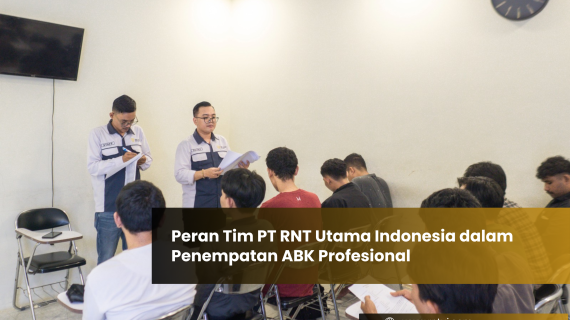
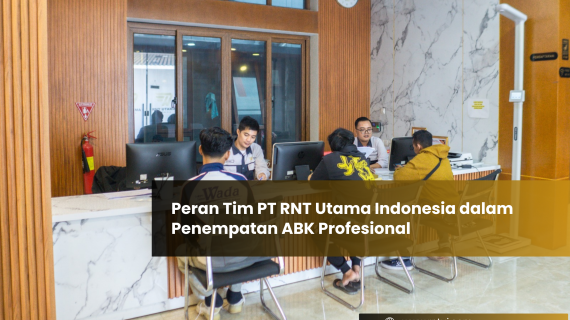
The Role of the PT RNT Utama Indonesia Team in the Placement of Professional Crew Members

The Role of the PT RNT Utama Indonesia Team in the Placement of Professional Crew Members

Behind every departure of seafarers (crew members) working on national and international vessels, there is a long and systematic process carried out professionally. The success of crew placement is not determined solely by the readiness of individual seafarers, but also by the behind-the-scenes work of a dedicated team that ensures every process runs in compliance with regulations, safely, and sustainably.

As a company engaged in the placement and management of seafarers, PT RNT Utama Indonesia carries out office activities that serve as the central control of the entire placement process. From administration and document verification to coordination with shipping partners, all tasks are handled by an internal team that works daily with a high level of accuracy and responsibility.

This article highlights the behind-the-scenes activities of PT RNT Utama Indonesia that are rarely visible to the public, yet play a crucial role in ensuring the successful placement of Indonesian seafarers.

The Office as the Control Center for Seafarer Placement

The office of PT RNT Utama Indonesia is not merely an administrative workspace, but a decision-making and coordination hub for seafarer placement. Every day, multiple divisions work simultaneously to ensure that every departing crew member meets all technical, administrative, and legal requirements.

Office activities reflect the company’s seriousness in building a professional seafarer placement system. Every process is recorded, evaluated, and adjusted according to partner needs and applicable regulations.

The Role of the Administration Team in Maintaining System Order

The administration team is the operational backbone of PT RNT Utama Indonesia. They are responsible for managing all documents and data related to seafarers, destination vessels, and business partners.

The administration team’s responsibilities include:

  • Managing personal and seafaring data of crew members
  • Preparing and reviewing employment contracts
  • Archiving placement documents
  • Updating departure and return records

Every document must be complete and accurate. Even a minor error can lead to delayed departures or legal risks in the destination country. Therefore, the administration team at PT RNT Utama Indonesia works under strict operational standards and an organized system.

Document Verification as a Form of Seafarer Protection

One of the most critical behind-the-scenes processes is document verification. PT RNT Utama Indonesia prioritizes legality and worker protection in every placement process.

The verification team conducts thorough checks on:

  • Crew member identities and seafaring documents
  • Compliance of employment contracts with legal regulations
  • Legality of vessels and partner companies
  • Completeness of administrative requirements in accordance with government regulations

This multi-layered verification process ensures that no document is overlooked. Through strict verification, PT RNT Utama Indonesia seeks to protect seafarers from illegal employment risks, exploitation, and unclear contract terms.

Intensive Coordination with Shipping Partners

Seafarer placement involves multiple parties, both domestically and internationally. Therefore, coordination is a key activity that continuously takes place at the PT RNT Utama Indonesia office.

The company’s team actively communicates with:

  • Vessel owners and shipping companies
  • Overseas placement agents
  • Relevant parties involved in the departure process

This coordination includes schedule adjustments, crew quantity requirements, vessel specifications, and document readiness. Sudden changes often occur and require quick responses and effective solutions.

The ability of PT RNT Utama Indonesia’s team to maintain professional and responsive communication is one of the main reasons international shipping partners continue to place their trust in the company.

A Long Process Invisible to the Public

To some, the seafarer placement process may appear simple—crew members come to the office and then depart for the vessel. In reality, there is a long series of processes handled by the office team before a crew member can depart.

These processes include:

  • Placement schedule planning
  • Synchronization of crew and vessel data
  • Resolution of administrative issues
  • Technical adjustments that frequently change

Each stage requires precision, cross-division coordination, and accurate decision-making. These processes often run behind the scenes and are not visible to the public, yet they are critical to the success of crew placement.

A Professional and Collaborative Work Culture

Office activities at PT RNT Utama Indonesia reflect a professional and collaborative work culture. Every team member understands that their work has a direct impact on the future of the seafarers and their families.

Inter-department collaboration is essential, as seafarer placement cannot be handled in isolation. Each division is interconnected and supports one another in achieving shared goals.

Commitment to Quality and Sustainability

Through structured office activities, PT RNT Utama Indonesia demonstrates a long-term commitment to building a high-quality and sustainable seafarer placement system. The company does not focus solely on placement numbers, but ensures that every process is carried out according to high standards.

This approach aims to maintain the reputation of Indonesian seafarers globally while fostering healthy working relationships between the company, seafarers, and shipping partners.

Behind every seafarer departure facilitated by PT RNT Utama Indonesia, there is the hard work of an office team that is rarely seen but highly decisive. From administration and document verification to partner coordination, all activities are carried out with full responsibility and professionalism.

PT RNT Utama Indonesia believes that a strong system and a solid behind-the-scenes team are the key foundations for successful, legal, safe, and sustainable seafarer placement.

Differences between Experienced and Non-Experienced Crew Members: Which is Better?

Differences between Experienced and Non-Experienced Crew Members: Which is Better?

The global fishing industry continues to rely heavily on Indonesian seafarers. Every month, hundreds of crew members are deployed to international fishing vessels, especially in China, Taiwan, and other maritime countries. With such high demand, two main categories of candidates emerge: experienced seafarers and non-experienced seafarers. Both play important roles in the industry, but each category offers different advantages, challenges, and career opportunities.

For candidates who are planning to start or advance their career at sea, understanding the differences between these two groups is crucial. This article explores the strengths and limitations of both experienced and non-experienced seafarers, helping you choose the best path for your future.

Who Are Non-Experienced Seafarers?

Non-experienced seafarers are individuals who have never worked on a fishing vessel before. Most of them are young, usually aged 18–30, and are looking for their first job or a new career opportunity.

Characteristics of non-experienced seafarers:

  • No prior experience working on fishing vessels
  • No maritime certifications before joining
  • Unfamiliar with sea conditions and vessel routines
  • Typically fresh graduates or job seekers looking for an income opportunity

This category is the largest and most in-demand group because international fleets are always looking for new workers with strong physical and mental readiness.

Who Are Experienced Seafarers?

Experienced seafarers are those who have previously worked on local or international fishing vessels. They understand vessel operations, know how to handle working pressure, and are familiar with maritime regulations and work culture.

Characteristics of experienced seafarers:

  • Completed one or several contracts
  • Possess maritime certificates (BST, AFF, SCRB, etc.)
  • Understand shift schedules, deck operations, and safety procedures
  • Easier to adapt to vessel routines and demands

Their experience makes them valuable to international fleets that prioritize productivity and efficiency.

Key Differences Between Experienced and Non-Experienced Seafarers

1. Entry Requirements

Non-Experienced Seafarers:

  • Simple requirements
  • No need for prior certifications
  • Only need basic documents and good physical condition
  • Must undergo training before departure

Experienced Seafarers:

  • Already have prior working experience
  • Often have supporting certificates
  • Usually preferred by captains for certain positions

Both can join legally, but experienced seafarers often go through the selection faster due to their background.

2. Salary and Benefits

Experienced Seafarers:

  • Receive higher salaries
  • Eligible for additional bonuses
  • Can be placed in specific roles (oiler, bosun, foreman, etc.)

Non-Experienced Seafarers:

  • Start at standard entry-level salary
  • Bonuses vary depending on performance and vessel type
  • Begin in general crew positions

Despite starting with lower pay, many non-experienced seafarers can increase their earnings significantly after completing just one contract.

3. Adaptation and Mental Readiness

Experienced Seafarers:

  • Already know the rhythm of life at sea
  • Understand physical demands and limited resting hours
  • Better prepared for homesickness and isolation
  • Can work with minimal guidance

Non-Experienced Seafarers:

  • Need time to adjust physically and mentally
  • May struggle at the beginning
  • Must learn discipline, endurance, and teamwork
  • Usually improve significantly after 2–3 months on board

PT RNT Utama Indonesia ensures that all non-experienced seafarers receive proper training and mental preparation before departure.

4. Career Growth Potential

Experienced Seafarers:

  • Faster promotion opportunities
  • Can become bosun, officer, or machine operator
  • Work history is valuable when applying to new fleets

Non-Experienced Seafarers:

  • Start from the lowest rank
  • Can be promoted after one or two contracts
  • Strong performance can accelerate their career

In the maritime industry, promotion is open to everyone. Hard work, discipline, and good performance are key factors for advancement.

5. Safety, Knowledge, and Work Efficiency

Experienced Seafarers:

  • Familiar with vessel equipment and gear
  • Understand safety rules and emergency response
  • Work more efficiently under pressure

Non-Experienced Seafarers:

  • Learn from training and guidance from senior crew
  • Need supervision during early months
  • Can become highly skilled after gaining experience

Thanks to mandatory training such as BST, AFF, and SCRB, non-experienced candidates can still work safely and confidently once on board.

Which One Is Better?

The answer depends on the individual’s goals and current situation. Both categories are equally important in the industry.

Non-Experienced Seafarers Are Ideal For:

  • Young individuals starting their career
  • Those who want to build long-term opportunities
  • First-time overseas workers
  • Physically strong, disciplined individuals willing to learn

With proper training and guidance, many non-experienced seafarers succeed and rise to higher ranks quickly.

Experienced Seafarers Are Ideal For:

  • Those who want higher salaries
  • Individuals aiming for specific roles or ranks
  • Workers seeking promotion opportunities
  • Those who want to continue their established maritime career

Their experience helps them secure trusted positions on international vessels.

Conclusion: Choose the Path That Fits Your Goal

Both experienced and non-experienced seafarers have valuable roles in the international fishing industry. What matters most is choosing the right pathway—one that is legal, safe, and professionally guided.

Through PT RNT Utama Indonesia, both types of candidates receive:

  • Complete training
  • Legal documentation
  • Full protection
  • Clear career direction
  • Professional deployment to global fleets

Regardless of your background, the opportunity to succeed at sea is wide open.

PT RNT Utama Indonesia’s Commitment to Guaranteeing the Safety and Legality of Crew Members on Foreign Vessels

PT RNT Utama Indonesia’s Commitment to Guaranteeing the Safety and Legality of Crew Members on Foreign Vessels

The international maritime industry is increasingly open to Indonesian workers. Thousands of seafarers (ABK) from across the country depart each year to work on foreign-flagged vessels in pursuit of livelihoods and a better future for their families. However, behind this opportunity lies significant challenges: illegal recruitment practices, unpaid wages, and the lack of legal protection for workers who go abroad through unofficial channels.

In this context, the presence of official manning agencies such as PT RNT Utama Indonesia is crucial. With a strong commitment, PT RNT Utama Indonesia ensures that every deployed seafarer is not only physically and mentally prepared but also protected legally, administratively, and under international law.

Legality is the cornerstone of safe and professional maritime employment. Seafarers who are deployed through illegal channels are highly vulnerable to risks, including:

  • Labor exploitation, with excessive working hours and no protection.
  • Unpaid wages or unilateral deductions by illegal brokers.
  • Absence of legal protection, due to the lack of a valid contract.
  • Administrative difficulties, for example, in the event of a workplace accident abroad.

Such cases often tarnish Indonesia’s reputation internationally and cause suffering for many families. For this reason, PT RNT Utama Indonesia emphasizes that the legal pathway is the only safe way for seafarers to work on foreign vessels.

As an officially licensed agency under Indonesian regulations, PT RNT Utama Indonesia acts as a bridge between Indonesian youth seeking maritime careers abroad and international fishing fleets in need of quality crew members.

The company’s main focus is not merely on placement, but also on the long-term protection and well-being of every seafarer. This commitment is reflected through a strict selection process, complete legal documentation, and ongoing support throughout their contracts.

To guarantee the safety and legality of each seafarer’s departure, PT RNT Utama Indonesia implements a series of protective measures:

1. Document and Contract Verification

Every seafarer is deployed with a legally binding contract, recognized both by the Indonesian government and the destination country. The contract clearly outlines the rights and obligations of the worker and the employing company.

2. Training and Certification

Prior to deployment, seafarers must undergo mandatory maritime training such as:

  • Basic Safety Training (BST)
  • Advanced Fire Fighting (AFF)
  • Survival Craft and Rescue Boat (SCRB)

These courses ensure the crew understands international safety standards and is prepared for emergencies at sea.

3. Insurance and Health Coverage

All seafarers deployed by PT RNT Utama Indonesia are provided with work insurance and health coverage, ensuring that they remain protected in the event of illness or workplace accidents.

4. Pre-Departure Briefing

Before departure, seafarers receive comprehensive orientation covering workers’ rights, legal procedures, cultural adaptation, and workplace ethics on multinational vessels. This also includes mental health tips for coping with long-term separation from family.

PT RNT Utama Indonesia works closely with multiple institutions to strengthen worker protection, including:

  • The Ministry of Manpower (Kemenaker) – for licensing and regulatory compliance.
  • BP2MI (Indonesian Migrant Worker Protection Agency) – to ensure deployment meets national legal standards.
  • Fisheries worker associations – to monitor working conditions and crew welfare.

This tripartite collaboration (government, company, and workers’ associations) reflects PT RNT Utama Indonesia commitment to building a fair, transparent, and sustainable maritime ecosystem.

Mr. Riza Ghiyats Fakhri, President Director of PT RNT Utama Indonesia, reaffirmed the company’s dedication to legality and worker protection:

“We are not merely sending workers abroad. We make sure that every seafarer who departs under PT RNT Utama Indonesia is fully protected, both legally and in terms of welfare. Legality is the key foundation. Without official channels, the risks are simply too great. Therefore, we urge all prospective seafarers to always choose the legal pathway with PT RNT Utama Indonesia,” he stated.

By departing through PT RNT Utama Indonesia, seafarers gain not only safety but also long-term advantages:

  • Guaranteed wages, paid according to contract.
  • International-standard working conditions.
  • Career advancement opportunities, thanks to an official and verifiable employment record.
  • Legal certainty, in case of disputes on foreign vessels.

Many alumni of PT RNT Utama Indonesia have successfully advanced from entry-level crew to officer positions, and even to captains, supported by their clear legal record and professional reputation.

PT RNT Utama Indonesia also focuses on educating the public, particularly youth from coastal communities, about the dangers of illegal recruitment. The company actively conducts awareness programs on:

  • The importance of official documentation.
  • The dangers of illegal channels.
  • Workers’ rights that must be fulfilled by employing companies.

Through these initiatives, more prospective seafarers are becoming aware that choosing the legal pathway is not just an option—it is a necessity for their safety and future.

The commitment of PT RNT Utama Indonesia to ensuring the safety and legality of Indonesian seafarers on foreign vessels is proof of the company’s seriousness in building a healthy maritime ecosystem. With rigorous selection, certified training, legal contracts, and close cooperation with the government and associations, PT RNT guarantees that every seafarer it deploys is not only a worker but also a representative of Indonesia’s reputation abroad.

By maintaining this commitment, PT RNT Utama Indonesia continues to serve as a safe, legal, and professional bridge for Indonesian youth to pursue global maritime careers and secure a brighter future.

PT RNT Utama Indonesia – Delivering Legal, Professional, and Protected Seafarers to the World.


Psychological Tests for Crew Members Before Training: An Important Foundation for Becoming a Professional Sailor

Psychological Tests for Crew Members Before Training: An Important Foundation for Becoming a Professional Sailor

Becoming a crew member (ABK) isn’t just about physical strength or technical skills, but also mental and psychological readiness. The world of work at sea is full of challenges: being away from family, working in extreme weather conditions, and living side by side with a multinational crew. Therefore, psychological testing is a crucial requirement before prospective crew members can participate in official training.

This article discusses the reasons why psychological testing is mandatory, the types of tests commonly administered, real-life examples of prospective crew members from PT RNT Utama Indonesia, and PT RNT Utama Indonesia’s role in ensuring that departing crew members are mentally prepared.

Why Are Psychological Tests Important for Crew Members?

Working on a ship requires a stable mental state. Some of the main reasons psychological tests are mandatory include :

1.  Assessing Mental Health

ABK must be free from serious psychological disorders that could endanger work safety at sea.

2. Measuring Mental Resilience

The pressures of working on a ship are different from those on land. Crew members must endure stress, loneliness, and long work schedules.

3. Determining Character Compatibility

The test helps to see whether the prospective ABK is suitable to work in a team, obey instructions, and is able to maintain discipline.

4. Prevent Future Problems

With screening from the start, companies and shipping partners will have more confidence because the crew sent have been mentally tested.

Real Examples of Psychological Test Participants at RNT

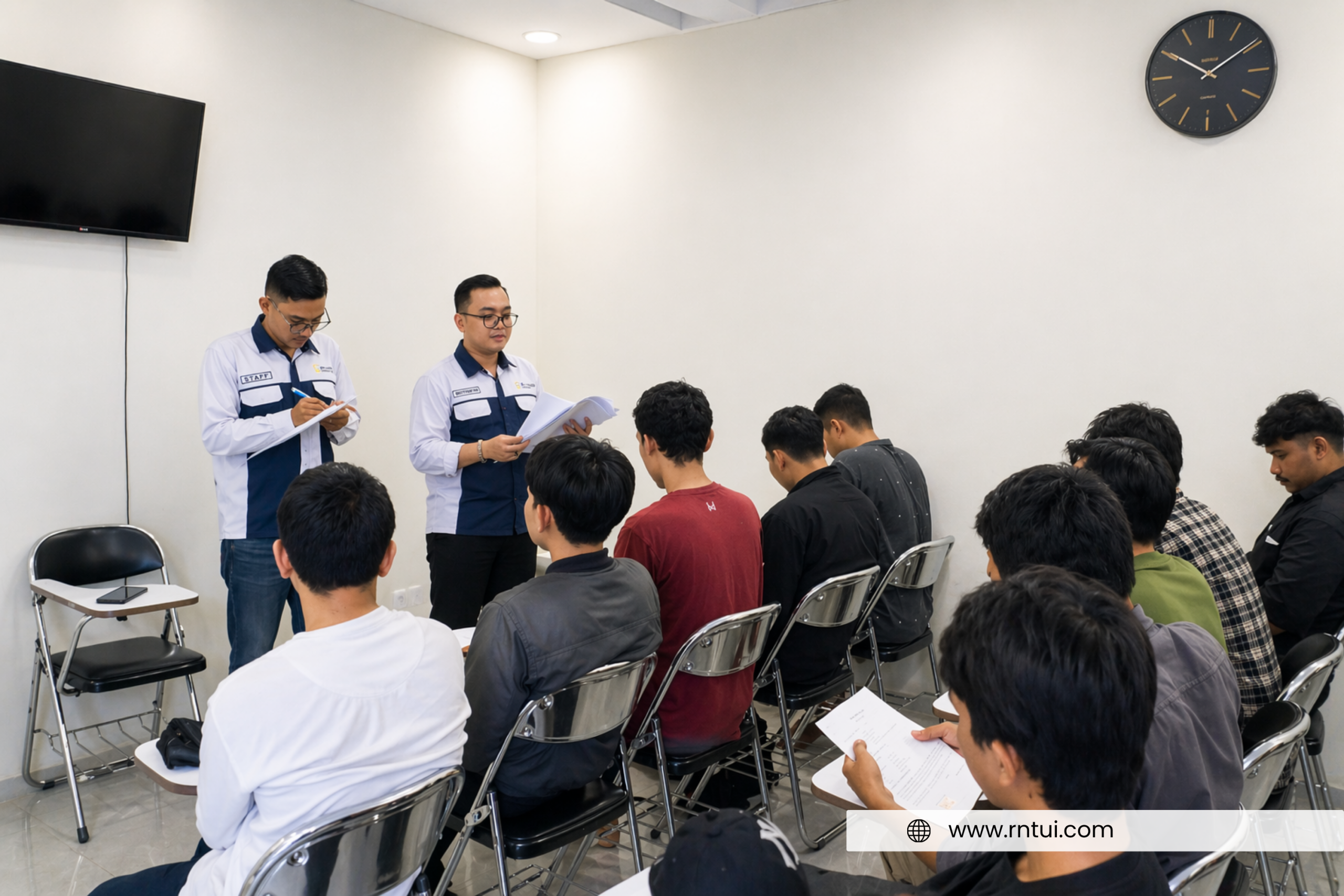
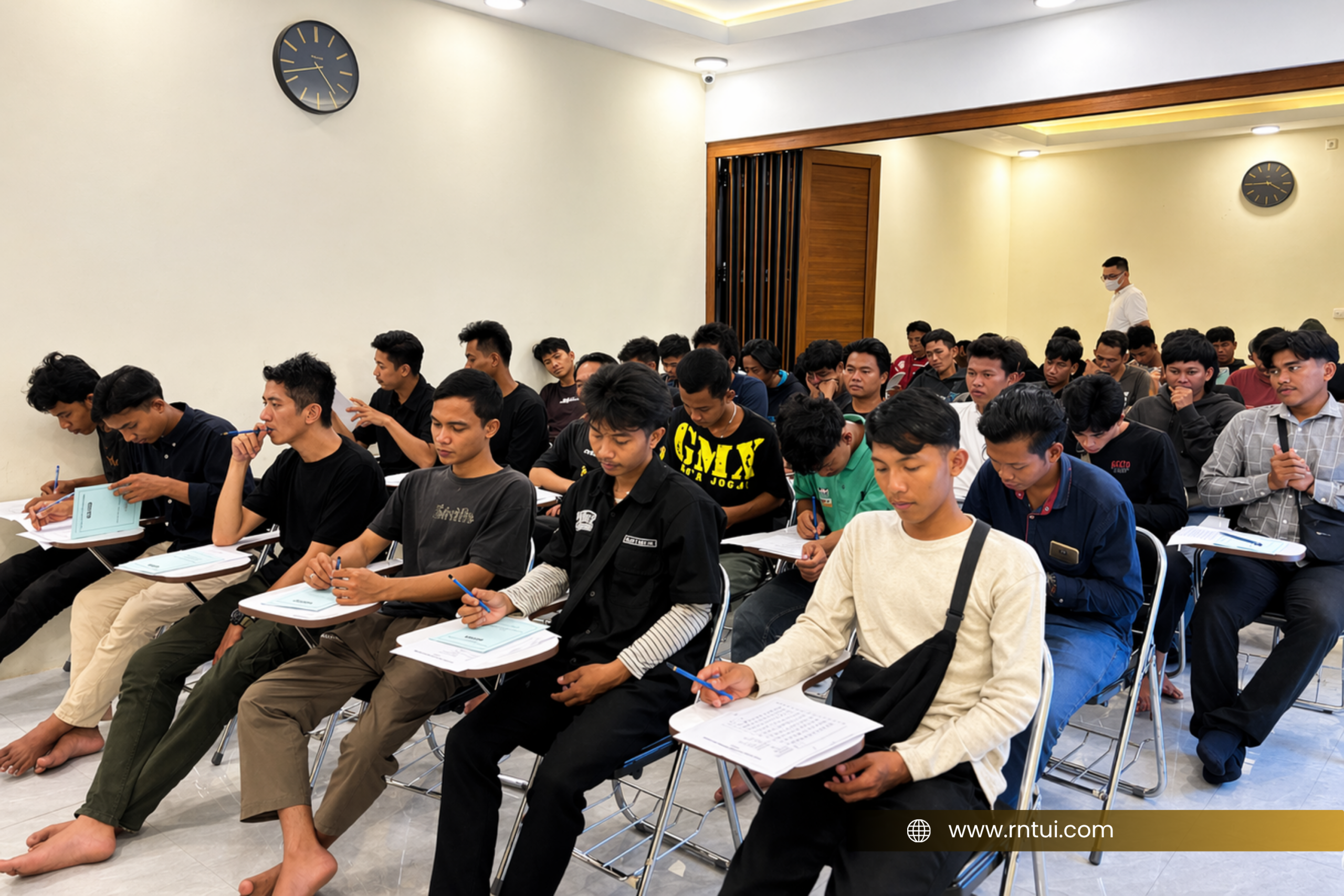
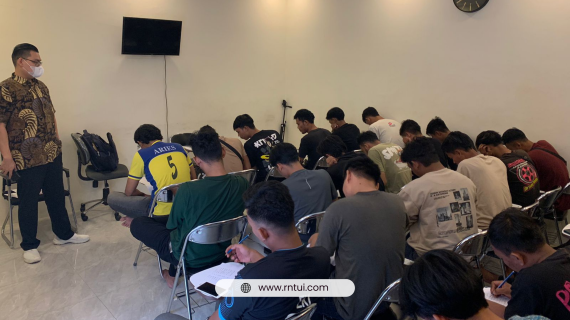
In recent recruitments, prospective crew members from PT RNT Utama Indonesia underwent psychological tests under the supervision of an official institution. Participants appeared enthusiastic, although some admitted to being nervous as it was their first time taking such a formal test.

  • Some came from Tegal, Brebes, and even Sulawesi, showing that opportunities are open to young people from various regions.
  • The test is conducted in a classroom with a duration of approximately 2–3 hours, including a written exam, interview, and concentration simulation.
  • Some participants even shared that they felt this test was very useful for getting to know themselves before actually diving into the sea.

“At first, I thought this test was just a formality. But after taking it, I realized the importance of mental preparation for working on a ship. I became more confident about continuing the training,” said one participant in the psychological test for prospective crew members at PT RNT Utama Indonesia.

With actual documentation of the test participants, the public can see that the crew selection process at PT RNT Utama Indonesia is truly transparent and professional.

Types of Psychological Tests Commonly Undertaken by Prospective ABK

Psychological tests for children with special needs usually cover the following aspects :

1. Basic Intelligence Test (IQ Test)

To measure the ability to think logically, understand instructions, and solve problems in work situations.

2. Personality Test

Assesses an individual’s character: whether they tend to be disciplined, cooperative, and able to control their emotions.

3. Stress Tolerance Test

A simulation or question that measures how a person reacts under stressful conditions, such as bad weather or conflict between crew members.

4. Accuracy & Concentration Test

Cruisers often face detailed, routine work. This test assesses the consistency of focus of prospective crew members over long periods of time.

5. Psychological Interview

A psychologist or examiner will conduct an interview to explore their life history, motivation, and readiness to work at sea.

The Relationship Between Psychological Tests and Special Needs Education and Training

After prospective ABK are declared to have passed the psychological test, they can proceed to official training programs such as:

  • Basic Safety Training (BST)

  • Survival Craft and Rescue Boat (SCRB)

  • Advanced Fire Fighting (AFF)

Psychological tests are the first step to ensure that training participants are truly ready, not only physically but also mentally.

The Role of PT RNT Utama Indonesia

As a trusted ABK placement company, PT RNT Utama Indonesia not only focuses on workforce placement, but also ensures that every crew member dispatched has gone through a valid psychological examination process.

Some steps taken by RNT :

  • Collaborate with professional psychology institutions.
  • Ensuring test results is one of the mandatory requirements before departure.
  • Provide additional counseling if the ABK candidate has certain records.

This step will increase international shipping partners’ confidence, knowing that Indonesian crew members are truly physically and mentally prepared for the job.

The psychological test before training is a crucial stage for prospective crew members. This test ensures that only healthy, stable, and mentally strong workers can proceed to the training and departure stages.

Through actual documentation of test participants at PT RNT Utama Indonesia, the public can see the company’s commitment to preparing crew members who are not only skilled but also mentally prepared to face the rigors of the ocean.

If you are interested in becoming a crew member or are an organization looking to deploy members to international maritime routes, contact PT RNT Utama Indonesia. Together, we ensure that every Indonesian sailor who sails is a professional, healthy crew, and ready to face the challenges of the world’s oceans.

logo RNT (4)

PT RNT Utama Indonesia

Head Office

(Fishing, Merchant, and Cruise Vessel)

@2025 Copyright PT RNT Utama Indonesia | Web Design by Lafasy Digital