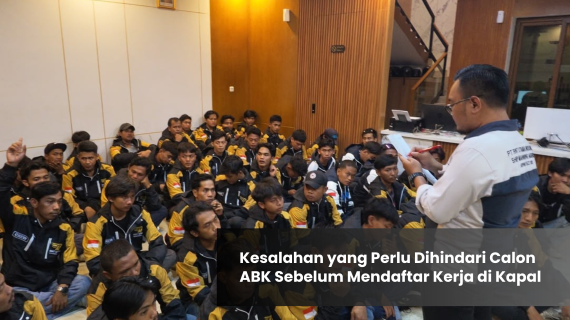
Unfortunately, some prospective crew members focus too much on salary and the desire to depart as quickly as possible. As a result, they may overlook document preparation, contract terms, physical readiness, and verification of the recruitment process.
To make the application process more effective, there are several mistakes to avoid before applying for a fishing vessel crew job. Proper preparation can help candidates navigate the recruitment process and make safer, more informed decisions about their future careers.
1. Focusing Only on Salary Without Understanding the Job
Salary is an important consideration when choosing a job. However, prospective crew members should not make salary the only reason for applying.
Working on a fishing vessel involves responsibilities that differ from those of jobs on land. Crew members may be involved in equipment preparation, fishing operations, catch handling, equipment maintenance, cleaning, and safety procedures.
These duties depend on the vessel type, position, fishing method, and applicable work system.
Before applying, make sure you understand:
-
The type of vessel and its operational activities.
-
The position and responsibilities being offered.
-
The duration and terms of the employment contract.
-
The agreed salary and payment system.
-
Working hours, rest periods, and facilities according to the agreement.
-
Your rights, obligations, and repatriation arrangements.
Understanding these aspects helps prospective crew members determine whether the offered position matches their abilities and readiness.
2. Failing to Verify the Legitimacy of the Recruitment Company or Agency
Another common mistake is trusting a job advertisement without checking the organization responsible for recruitment.
International fishing vessel employment opportunities require careful verification because the recruitment process may involve recruitment companies, manning agencies, vessel operators, or overseas vessel owners.
Before submitting documents or agreeing to a placement, prospective crew members should verify the company’s identity, official address and contact details, the position being offered, and the organization’s authority to recruit and place crew members.
Do not immediately trust promises of rapid departure or exceptionally high earnings without verifiable information. Be cautious of requests to transfer money to personal bank accounts without a clear written explanation and documented basis for the fees.
Make sure the job advertisement, recruiter, and placement terms can be verified before making a decision.
3. Neglecting Document Requirements
Documents are an essential part of the recruitment and crew placement process. Failing to prepare them early can delay the selection process or prevent candidates from meeting the administrative requirements.
Required documents may vary depending on the position, vessel type, destination country, and placement conditions. Therefore, prospective crew members should confirm the latest requirements directly with a verifiable recruiter.
Documents that may be required include:
-
Indonesian Identity Card (KTP).
-
Family Card (KK).
-
Birth certificate.
-
Police Clearance Certificate (SKCK), if required.
-
Passport and travel documents.
-
Relevant seafarer certificates or documents.
-
Medical examination documents required for the placement.
Do not wait until the departure date is approaching to prepare everything. Check document expiration dates and ensure that your personal information is consistent across all documents.
4. Failing to Prepare Physically and Mentally
Working on a fishing vessel requires physical and mental readiness. Operational activities, sea conditions, work schedules, and living far from family can present significant challenges.
One mistake to avoid is assuming that physical preparation is only necessary after passing the recruitment process.
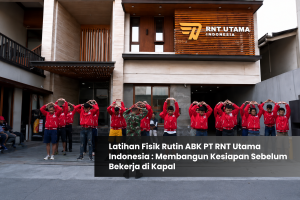
Prospective crew members should begin developing healthy habits, maintaining fitness gradually, managing rest, and completing medical examinations according to the placement requirements.
Mental readiness is equally important. Crew members need to understand that life onboard requires discipline, adaptability, teamwork, and compliance with instructions and safety procedures.
Preparation does not mean that everyone must have the same physical abilities. It means ensuring that candidates meet the required health standards and can perform the duties associated with their positions.
5. Failing to Understand the Employment Contract
Some prospective crew members become so eager to secure a job that they do not carefully review the employment contract. However, the contract is an important document that explains the terms and conditions of the employment relationship.
Before accepting a placement, candidates should understand the contract duration, position, duties, salary, payment system, working and rest hours, facilities, and conditions for ending the employment relationship.
They should also review provisions concerning insurance or applicable protection, dispute resolution, and repatriation after the contract ends.
If any terms are unclear, ask for an explanation before signing. Do not rely solely on verbal promises when important conditions have not been documented or adequately explained in the agreement.
Understanding the contract from the beginning helps prospective crew members know their rights and responsibilities before working on an international vessel.
6. Not Researching the Vessel Type and Working Environment
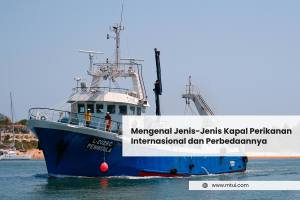
Not all fishing vessels operate in the same way or require the same crew arrangements. Net fishing vessels, squid fishing vessels, and other types of fishing vessels may use different equipment, fishing methods, and task assignments.
A common mistake is applying for a position without finding out what type of vessel is being offered or what the job actually involves.
Before applying, seek information about:
-
The vessel type and fishing method.
-
The position being recruited.
-
The equipment used for the job.
-
An overview of daily operational activities.
-
The working language and crew composition, when available.
-
Working conditions and facilities explained as part of the placement.
This basic knowledge helps candidates develop realistic expectations. As a result, they can prepare not only for departure but also for the working environment they will encounter.
7. Ignoring Workplace Safety
Safety is an essential aspect of maritime employment. Deck operations, equipment use, weather conditions, and vessel movement can create risks when procedures are not followed.
Prospective crew members should not assume that safety is solely the responsibility of the master or officers.
Before departure, learn the basics of workplace safety, the use of personal protective equipment (PPE), emergency procedures, and the importance of attending safety briefings. Any required safety training or certification should match the position and applicable placement requirements.
Once onboard, crew members must follow instructions, use the appropriate safety equipment for their tasks, and report hazardous conditions to the responsible personnel.
A disciplined approach to safety protects individual crew members and helps maintain the safety of the entire team.
8. Being Dishonest During the Recruitment Process
Honesty is essential during ABK recruitment. Providing inaccurate information about work experience, abilities, health conditions relevant to the requirements, or qualifications can create problems during selection and after placement.
If you have no previous experience working onboard, be honest about it. Do not claim to hold certificates or possess skills that you do not actually have.
Prospective crew members should also ensure that all submitted documents are legitimate and match their personal identities.
It is better to identify areas that need improvement during recruitment than to face the consequences of providing false information later.
9. Lacking Discipline and Ignoring Official Information
The recruitment process may involve several stages, including registration, document verification, selection, medical examinations, pre-departure briefing, and departure coordination according to the placement requirements.
Candidates who fail to follow schedules or ignore instructions may experience delays during the process.
To avoid this, follow these practices:
-
Save job information and official recruiter contact details.
-
Record selection schedules and required documents.
-
Check messages and announcements from the recruiter regularly.
-
Attend appointments on time and follow the instructions provided.
-
Ask questions through official communication channels when information is unclear.
Do not assume that registering guarantees immediate departure. The next steps depend on selection results, document completeness, and placement requirements.
10. Rushing to Depart Without Considering Your Readiness
Wanting to start working quickly can be a good source of motivation. However, decisions about international fishing vessel employment should not be made hastily.
Prospective crew members need to consider their document readiness, health, ability to perform the job, understanding of the employment contract, and family circumstances while they are away.
If any information is unclear, ask for clarification first. Do not feel pressured to accept every condition simply because you are afraid of losing the opportunity.
A good employment opportunity should be supported by proper preparation. By understanding the job and placement conditions, prospective crew members can make more responsible decisions.
PT RNT Utama Indonesia Supports ABK Preparation and Placement
Preparation before applying is an important first step toward building a career as an international fishing vessel crew member. Candidates need to understand the requirements, maintain their physical condition, prepare the necessary documents, and participate in the recruitment process honestly and responsibly.
PT RNT Utama Indonesia supports the ABK recruitment and placement process through candidate selection, administrative preparation, pre-departure briefing, departure coordination, and placement according to partner requirements.
Prospective crew members should follow recruitment information through official channels and understand the employment conditions before making a decision. With proper preparation, candidates can navigate the recruitment process more effectively and develop the readiness needed to work in the international maritime industry.
Interested in Applying for an International Fishing Vessel Crew Job?
Do not focus only on salary and departure schedules. Make sure you understand the requirements, verify recruitment information, prepare your documents, maintain your health, and carefully review the employment contract.
Register with PT RNT Utama Indonesia and stay updated with the latest ABK recruitment opportunities. Prepare yourself properly to participate in the selection process and build a career in the international fishing industry.