5 Reasons Why Young People Aged 18–30 Should Consider a Career as a Seafarer

5 Reasons Why Young People Aged 18–30 Should Consider a Career as a Seafarer

In today’s competitive job market, many young Indonesians are searching for career paths that offer stability, high earning potential, and long-term growth. One profession that continues to attract thousands of youth across the country is becoming a seafarer (ABK) on international fishing vessels. This career is open to beginners, offers attractive financial benefits, and provides valuable life experience.

Here are five strong reasons why young people aged 18–30 should seriously consider starting their professional journey as a seafarer, especially through a legal, licensed agency such as PT RNT Utama Indonesia, which has successfully deployed thousands of Indonesian crew members to global fleets.

1. Higher Income Compared to Land-Based Jobs

One of the biggest advantages of working as a seafarer is the significantly higher income compared to many land-based jobs in Indonesia. International fishing vessels offer competitive monthly salaries:

  • USD 350–700 per month for beginners
  • USD 800–1,500 for experienced crew
  • Additional catch bonuses, depending on the vessel type

For many young adults, this income is equivalent to 3–10 times the local minimum wage (UMR). With just one or two contracts, a seafarer can earn enough to:

  • Build or renovate a house
  • Support their family’s daily needs
  • Save for long-term goals
  • Start a small business
  • Fund education for siblings or children

For youth looking to improve their family’s economy, this profession offers a life-changing financial opportunity.

2. No High Education or Experience Required

Unlike many careers that require diplomas, technical certificates, or years of experience, becoming a seafarer is surprisingly accessible. Many vessels accept non-experienced candidates, making this profession ideal for young people starting from zero.

Basic requirements typically include:

  • Age 18–30
  • Minimum education: junior high school (SMP)
  • Physically fit
  • Minimum height and weight standards
  • Basic documents (KTP, KK, birth certificate, SKCK)

Once they pass the administrative stage, candidates will undergo mandatory training, such as:

  • Basic Safety Training (BST)
  • Advanced Fire Fighting (AFF)
  • Survival Craft and Rescue Boat (SCRB)

This ensures even total beginners can work safely and professionally on board. This accessibility makes the seafaring profession a great choice for youth who want to start working immediately without lengthy educational barriers.

3. Long-Term Career Growth and International Prospects

Becoming a seafarer is not just a temporary job—it can be a long-term career with clear promotion opportunities. For young people aged 18–30, this is the perfect time to begin, as they have the physical strength and time to build a solid track record.

Career progression typically follows this path:

  • Entry-level crew (general crew)
  • Oiler / Wiper
  • Bosun (boatswain)
  • Officer
  • Chief Officer
  • Captain

Many Indonesian crew members have successfully climbed the ranks to senior positions, earning significantly higher salaries and international recognition. With strong performance, discipline, and proper certification, the maritime industry offers a sustainable and rewarding career path.

PT RNT Utama Indonesia helps candidates build this long-term journey by providing training, legal documentation, and deployment opportunities with reputable international fleets.

4. Improving Family Economy and Future Stability

One of the most inspiring aspects of becoming a seafarer is how it transforms not just individual lives but entire families. Many ABK alumni share stories of using their earnings to:

  • Buy land or build homes
  • Support parents financially
  • Pay for school or college for their siblings
  • Invest in small businesses
  • Create long-term savings

For young people at the start of their working life, this profession offers the rare opportunity to create real financial stability early on. Instead of spending years climbing slow career ladders, working as a seafarer allows them to build wealth much faster.

This makes the profession a strategic choice for youth who want to achieve financial independence and provide security for their family.

5. Building Discipline, Mental Strength, and Independence

A career at sea doesn’t just build income, it builds character. Working on a vessel challenges young people to develop qualities that will benefit them for life, such as:

  • Discipline in following schedules and safety protocols
  • Mental resilience in facing long working hours and harsh weather
  • Teamwork in multicultural environments
  • Problem-solving skills during tough situations
  • Independence and responsibility

Many former seafarers return home with greater confidence, emotional maturity, and the ability to lead and manage responsibilities. These traits are valuable whether they continue at sea or later transition to a land-based career.

The experience gained from working internationally also enhances adaptability, cultural understanding, and professional attitudequalities highly valued in any industry.

Conclusion: A Promising Opportunity for Indonesia’s Youth

For young people aged 18–30, becoming a seafarer offers financial benefits, global experience, and strong long-term career potential. This profession does not require high educational qualifications, making it accessible to youth from all backgrounds.

Through PT RNT Utama Indonesia, candidates can start their maritime career through a legal, safe, and professional pathway. With transparent processes, complete training, and full protection, PT RNT Utama Indonesia ensures that every seafarer is well-prepared for life at sea.

If you are a young person looking for a career with high income, professional growth, and the opportunity to build a better future, then becoming a seafarer may be the perfect path for you.

The Difference Between Legal and Illegal Deployment for Seafarers a Must Read for All ABK Candidates

The Difference Between Legal and Illegal Deployment for Seafarers a Must Read for All ABK Candidates

Working as a seafarer on international fishing vessels offers life-changing opportunities for many Indonesian youths. Higher income, structured career paths, and the ability to support family needs make this profession one of the most desired jobs in coastal regions. But behind the promising future lies one crucial decision that determines safety, rights, and long-term success: choosing the legal pathway or taking the highly dangerous illegal route.

Many seafarer candidates still do not fully understand the serious risks of joining illegal deployments. For this reason, PT RNT Utama Indonesia continues to educate prospective workers on why the legal route is the only safe, professional, and protected option. This article explains the key differences every ABK candidate must know.

What Is the Legal Pathway for Seafarers?

The legal pathway refers to the official process of deployment managed by licensed and government-approved agencies such as PT RNT Utama Indonesia. The company operates with full authorization (SIUKAK license) and is supervised by the Ministry of Manpower, the Ministry of Marine Affairs and Fisheries, the Directorate General of Sea Transportation, and BP2MI.

Through the legal process, seafarers undergo:

  • Administrative screening
  • Medical and psychological testing
  • Mandatory maritime training (BST, AFF, SCRB, etc.)
  • Issuance of valid documents: passport, seaman book, visa
  • Signing of a legitimate employment contract
  • Insurance and welfare protection
  • Pre-departure briefing and final orientation

This ensures every seafarer is physically fit, mentally prepared, and fully protected before boarding an international vessel.

What Is the Illegal Pathway and Why Is It So Dangerous?

The illegal pathway involves recruitment through unlicensed brokers, informal agents, or individuals without any official approval. These brokers often promise unrealistic benefits such as:

  • “Fast departure without training.”
  • “No need for documents, everything handled quickly.”
  • “Very high salary in the first month.”

In reality, these promises are traps. Illegal deployment strips workers of their rights, exposes them to abuse, and leaves them vulnerable with no legal support if something goes wrong.

Key Differences Between Legal and Illegal Deployment

1. Documentation

Legal:
All documents are complete, valid, and recognized both in Indonesia and abroad.

Illegal:
Many workers depart without a visa, without a contract, or even without a passport—putting them at high legal risk.

2. Employment Contract and Salary

Legal:
A written contract is signed before departure. Salary, working hours, rest time, and rights are clearly stated.

Illegal:
No contract exists. Salary is often unpaid, reduced, or changed arbitrarily by the broker or vessel operator.

3. Legal Protection

Legal:
Seafarers are protected under Indonesian law and international regulations. Government agencies can intervene if problems occur.

Illegal:
No legal protection. If the worker faces exploitation, injury, or disputes, no authority can help.

4. Safety and Training

Legal:
Mandatory training ensures seafarers understand safety procedures, emergency response, and maritime standards.

Illegal:
No training is provided. Workers board vessels unprepared, putting themselves and others at serious risk.

5. Long-Term Career Path

Legal:
With official records and documented experience, seafarers can advance to higher positions such as bosun, officer, or even captain.

Illegal:
Experience is not officially recorded, making career progression almost impossible.

Real Risks of Illegal Deployment

Illegal recruitment is not just irresponsible—it is dangerous and often life-threatening. Common risks include:

  • Months of unpaid wages
  • Physical exploitation and excessive working hours
  • Workers abandoned at foreign ports
  • Detention for lack of legal documents
  • Inability to return home
  • Zero insurance coverage
  • High vulnerability to human trafficking

These incidents have happened repeatedly and have caused enormous hardship for Indonesian families.

Why You Should Choose PT RNT Utama Indonesia

PT RNT Utama Indonesia is committed to providing a safe, legal, and transparent recruitment process. The company ensures:

  • Full government licensing and compliance
  • Clear and professional recruitment stages
  • Free and transparent documentation process
  • Comprehensive training before departure
  • Insurance protection for every seafarer
  • Continuous monitoring during the contract period
  • Strong partnerships with reputable international fleets

Hundreds of seafarers are deployed every month through PT RNT Utama Indonesia to vessels from China, Taiwan, and other international fishing companies. This trust reflects the high quality of ABK trained and deployed legally.

Conclusion: The Legal Route Is the Only Safe Way

For every ABK candidate, choosing the legal route is not optional—it is essential. Safety, dignity, income certainty, and long-term career growth depend on making the right decision. No matter how attractive illegal offers may sound, they cannot guarantee protection or a stable future.

PT RNT Utama Indonesia stands as a reliable bridge for Indonesian youth to pursue safe, legal, and professional maritime careers abroad. By choosing the legal pathway, seafarers protect their future and uplift their families through secure and lawful employment.

PT RNT Utama Indonesia Deploys 412 Seafarers in September: A Milestone for Indonesia’s Maritime Workforce

PT RNT Utama Indonesia Deploys 412 Seafarers in September: A Milestone for Indonesia’s Maritime Workforce

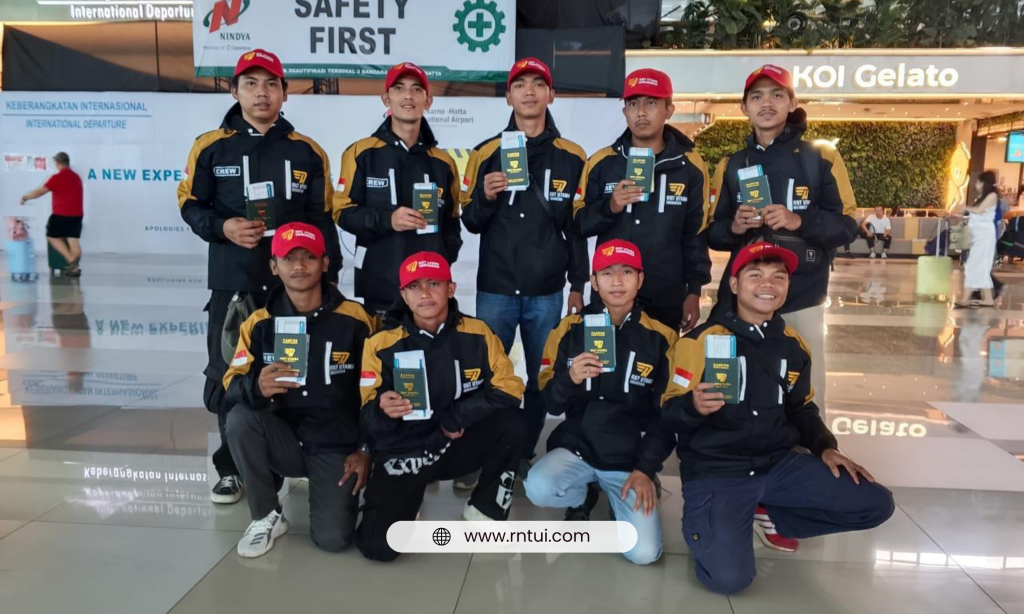
September 2025 marks another milestone for PT RNT Utama Indonesia, as the company successfully deployed 412 Indonesian seafarers to various international fishing vessels. This achievement is more than just a number; it represents the company’s strong commitment to preparing and sending Indonesian maritime workers through a legal, professional, and globally competitive pathway.

Indonesia, with its status as the largest archipelagic country in the world, has long been recognized as a vital supplier of maritime labor. However, challenges persist—particularly the risks of illegal recruitment, lack of protection for workers, and the need for more structured training.

As one of Indonesia’s trusted crew manning agencies, PT RNT Utama Indonesia continues to bridge local talent with the international maritime industry. The deployment of 412 seafarers in September is a reflection of the trust and confidence of global partners in the quality of Indonesian workers trained and facilitated by PT RNT Utama Indonesia.

Before boarding their assigned vessels, every seafarer underwent a comprehensive selection and preparation process:

  1. Administrative Screening
    Verification of identity documents, seafarer’s book, passport, and academic qualifications.
  2. Medical and Psychological Tests
    To ensure every candidate is physically healthy and mentally stable to face the challenges of working at sea.
  3. Certified Maritime Training
    Including Basic Safety Training (BST), Advance Fire Fighting (AFF), and Survival Craft and Rescue Boat (SCRB) to equip seafarers with international-standard safety skills.
  4. Legal Documentation & Insurance
    Completion of all mandatory documents and work visas, along with insurance coverage for added security.
  5. Pre-Departure Briefing
    Final orientation covering workers’ rights, contracts, cultural adaptation, and safety guidelines aboard multinational vessels.

Through this process, PT RNT Utama Indonesia ensures that every seafarer deployed is fully prepared, protected, and professional.

The 412 deployed crew members will serve on several international fleets, including renowned vessels under the Fu Yuan Yu and Lu Rong Yuan Yu fleets. These vessels are among the largest in the global fishing industry, requiring skilled and resilient crew to operate in demanding ocean environments.

Deploying such a significant number of seafarers in a single month highlights PT RNT Utama Indonesia capacity to meet large-scale international demand while upholding quality standards.

The deployment was personally overseen by Mr. Riza Ghiyats Fakhri, President Director of PT RNT Utama Indonesia. In his statement, he emphasized the importance of professionalism and legality in overseas employment.

“The deployment of 412 seafarers in September shows the immense trust that our international partners place in Indonesian maritime workers. We make sure that every crew member is fully prepared—physically, mentally, and legally—before setting sail. Our hope is that they will work safely, improve their family’s livelihood, and bring pride to Indonesia on the global stage,” said Mr. Riza Ghiyats Fakhri.

The deployment of over 400 seafarers has significant ripple effects for Indonesia:

  • Reducing unemployment, particularly in coastal and rural regions.
  • Improving household income with higher wages compared to domestic jobs.
  • Knowledge transfer, as returning seafarers bring valuable international experience.
  • Local economic development, as many seafarers invest in small businesses after completing their contracts.

The stories of former PT RNT Utama Indonesia seafarers often highlight how overseas employment enables them to build homes, support children’s education, and create new opportunities in their hometowns.

Global fleets continue to seek Indonesian crew for several reasons:

  1. Strong maritime background – many grew up in fishing communities.
  2. High work ethic – hardworking, disciplined, and resilient.
  3. Cultural adaptability – friendly, cooperative, and easy to integrate in multinational crews.
  4. Cost efficiency with quality output, making them attractive for international employers.
  5. Global reputation as reliable, loyal, and skilled workers.

This deployment also aligns with the Indonesian government’s program to protect and promote Overseas Migrant Workers (PMI). PT RNT Utama Indonesia works closely with relevant institutions such as the Ministry of Manpower, BP2MI, and fisheries worker associations to ensure every deployment complies with legal frameworks and provides full protection for workers.

Such collaboration strengthens the maritime ecosystem and ensures that Indonesian seafarers remain competitive and respected globally.

With the successful deployment of 412 seafarers in just one month, PT RNT Utama Indonesia has proven its reliability as a leading manning agency. Moving forward, the company is committed to expanding partnerships with more international fleets while maintaining its focus on legal compliance, professional training, and worker protection.

The company envisions creating more opportunities for Indonesian youth, empowering them to build a sustainable career at sea and contribute to both their families and the nation’s economy.

The September 2025 deployment of 412 seafarers stands as a milestone for PT RNT Utama Indonesia and a testament to the world-class quality of Indonesian maritime workers. With thorough preparation, strict adherence to legality, and comprehensive training, PT RNT Utama Indonesia continues to pave the way for Indonesian youth to thrive in the international maritime industry.

PT RNT Utama Indonesia Delivering Skilled, Legal, and Competitive Seafarers to the World.

logo RNT (4)

PT RNT Utama Indonesia

Head Office

(Chinese Fishing Vessel)

Branch Office

(Merchant, Cruise, and Fishing Vessel)

@2025 Copyright PT RNT Utama Indonesia | Web Design by Lafasy Digital