Working as a seafarer on international fishing vessels offers life-changing opportunities for many Indonesian youths. Higher income, structured career paths, and the ability to support family needs make this profession one of the most desired jobs in coastal regions. But behind the promising future lies one crucial decision that determines safety, rights, and long-term success: choosing the legal pathway or taking the highly dangerous illegal route.
Many seafarer candidates still do not fully understand the serious risks of joining illegal deployments. For this reason, PT RNT Utama Indonesia continues to educate prospective workers on why the legal route is the only safe, professional, and protected option. This article explains the key differences every ABK candidate must know.
What Is the Legal Pathway for Seafarers?
The legal pathway refers to the official process of deployment managed by licensed and government-approved agencies such as PT RNT Utama Indonesia. The company operates with full authorization (SIUKAK license) and is supervised by the Ministry of Manpower, the Ministry of Marine Affairs and Fisheries, the Directorate General of Sea Transportation, and BP2MI.
Through the legal process, seafarers undergo:
- Administrative screening
- Medical and psychological testing
- Mandatory maritime training (BST, AFF, SCRB, etc.)
- Issuance of valid documents: passport, seaman book, visa
- Signing of a legitimate employment contract
- Insurance and welfare protection
- Pre-departure briefing and final orientation
This ensures every seafarer is physically fit, mentally prepared, and fully protected before boarding an international vessel.
What Is the Illegal Pathway and Why Is It So Dangerous?
The illegal pathway involves recruitment through unlicensed brokers, informal agents, or individuals without any official approval. These brokers often promise unrealistic benefits such as:
- “Fast departure without training.”
- “No need for documents, everything handled quickly.”
- “Very high salary in the first month.”
In reality, these promises are traps. Illegal deployment strips workers of their rights, exposes them to abuse, and leaves them vulnerable with no legal support if something goes wrong.
Key Differences Between Legal and Illegal Deployment
1. Documentation
Legal:
All documents are complete, valid, and recognized both in Indonesia and abroad.
Illegal:
Many workers depart without a visa, without a contract, or even without a passport—putting them at high legal risk.
2. Employment Contract and Salary
Legal:
A written contract is signed before departure. Salary, working hours, rest time, and rights are clearly stated.
Illegal:
No contract exists. Salary is often unpaid, reduced, or changed arbitrarily by the broker or vessel operator.
3. Legal Protection
Legal:
Seafarers are protected under Indonesian law and international regulations. Government agencies can intervene if problems occur.
Illegal:
No legal protection. If the worker faces exploitation, injury, or disputes, no authority can help.
4. Safety and Training
Legal:
Mandatory training ensures seafarers understand safety procedures, emergency response, and maritime standards.
Illegal:
No training is provided. Workers board vessels unprepared, putting themselves and others at serious risk.
5. Long-Term Career Path
Legal:
With official records and documented experience, seafarers can advance to higher positions such as bosun, officer, or even captain.
Illegal:
Experience is not officially recorded, making career progression almost impossible.
Real Risks of Illegal Deployment
Illegal recruitment is not just irresponsible—it is dangerous and often life-threatening. Common risks include:
- Months of unpaid wages
- Physical exploitation and excessive working hours
- Workers abandoned at foreign ports
- Detention for lack of legal documents
- Inability to return home
- Zero insurance coverage
- High vulnerability to human trafficking
These incidents have happened repeatedly and have caused enormous hardship for Indonesian families.
Why You Should Choose PT RNT Utama Indonesia
PT RNT Utama Indonesia is committed to providing a safe, legal, and transparent recruitment process. The company ensures:
- Full government licensing and compliance
- Clear and professional recruitment stages
- Free and transparent documentation process
- Comprehensive training before departure
- Insurance protection for every seafarer
- Continuous monitoring during the contract period
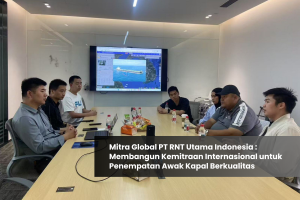
- Strong partnerships with reputable international fleets
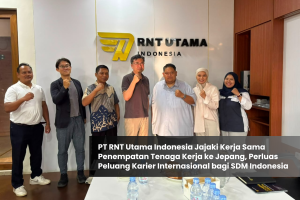
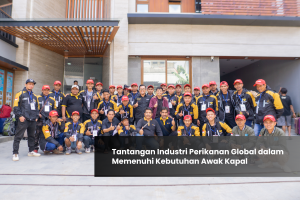
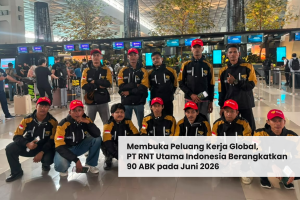
Hundreds of seafarers are deployed every month through PT RNT Utama Indonesia to vessels from China, Taiwan, and other international fishing companies. This trust reflects the high quality of ABK trained and deployed legally.
Conclusion: The Legal Route Is the Only Safe Way
For every ABK candidate, choosing the legal route is not optional—it is essential. Safety, dignity, income certainty, and long-term career growth depend on making the right decision. No matter how attractive illegal offers may sound, they cannot guarantee protection or a stable future.
PT RNT Utama Indonesia stands as a reliable bridge for Indonesian youth to pursue safe, legal, and professional maritime careers abroad. By choosing the legal pathway, seafarers protect their future and uplift their families through secure and lawful employment.