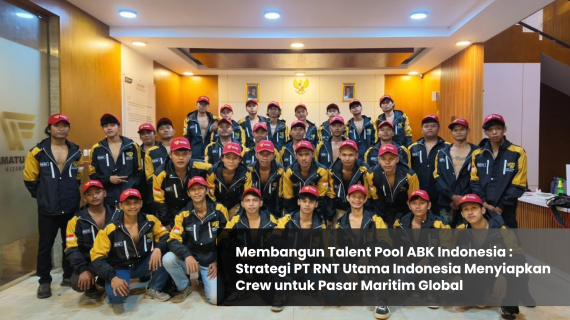
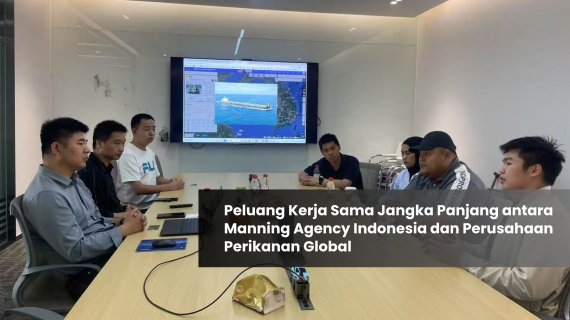
The global fishing industry requires competent workers, structured recruitment processes, and reliable crew placement coordination. For fishing companies, shipowners, and vessel operators conducting cross-border operations, the availability of qualified crew members is an important factor in maintaining smooth vessel operations.
Indonesia, meanwhile, has a workforce with the potential to contribute to the international fishing industry. This creates opportunities for long-term partnerships between Indonesian manning agencies and global fishing companies to establish more structured recruitment and crew placement systems.
Through the right partnerships, both parties can develop more consistent workflows, improve workforce planning, and build sustainable business relationships. PT RNT Utama Indonesia welcomes cooperation opportunities with international partners seeking recruitment and placement support for Indonesian crew members.
1. Meeting Crew Requirements on a Sustainable Basis
Fishing companies require crew members according to vessel type, fishing methods, job positions, and operational schedules. These requirements may change depending on fishing seasons, operational contracts, and business development plans.
Relying on recruitment only when urgent needs arise can increase coordination demands and leave less time for candidate screening. Long-term cooperation with a manning agency can therefore help companies develop a more systematic workforce planning process.
Through regular communication about crew requirements, fishing companies can provide information on workforce numbers, qualifications, experience, and planned deployment schedules. The manning agency can then align its candidate sourcing and selection activities with these requirements.
This approach helps both parties develop a better understanding of operational needs and reduces uncertainty in recruitment planning.
2. Building an Indonesian Crew Talent Pool
One of the benefits of long-term partnerships is the opportunity to develop a talent pool of prospective crew members who may meet a company’s future requirements.
By understanding partner requirements over time, a manning agency can organize candidate records based on work experience, skills, certifications, and deployment readiness. These records should be managed with attention to information accuracy, personal data protection, and applicable regulations.
A well-managed talent pool can make candidate sourcing more focused when a company needs crew members for specific positions. However, candidates must still undergo screening and selection according to the requirements of each vacancy. Being listed in a database does not automatically mean that a candidate is ready for deployment.
For global fishing companies, this approach can form part of a more proactive workforce planning strategy.
3. Maintaining Candidate Quality Through Structured Screening
Successful crew placement depends on more than the number of available candidates. Suitability for the position, work experience, technical skills, medical fitness, and employment requirements must also be considered.
In B2B cooperation, fishing companies and manning agencies should agree on selection criteria from the outset. These criteria may include vessel experience, technical capabilities, mandatory certificates, medical examinations, and readiness to follow safety procedures.
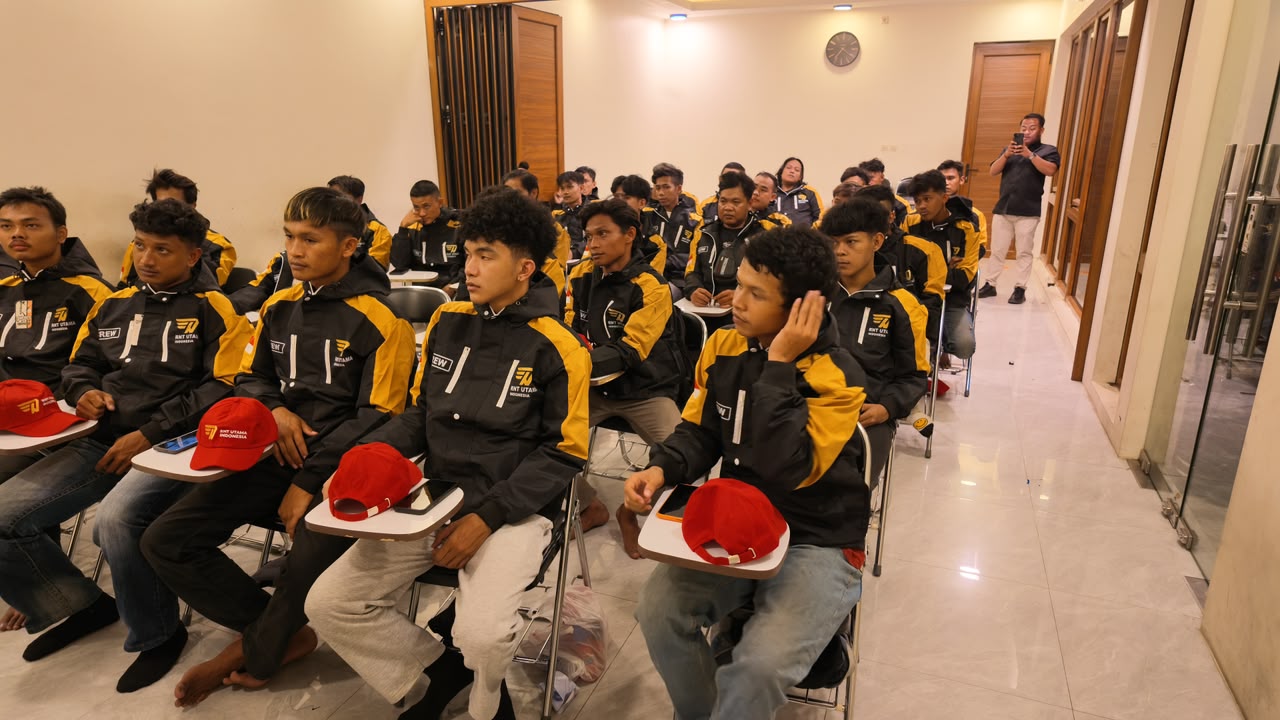
The manning agency can support candidate sourcing, initial screening, document checks, and candidate preparation coordination according to the partner’s requirements. Meanwhile, the company hiring the crew should provide clear information about job responsibilities and the qualifications required.
Agreed screening standards help improve candidate suitability and provide a foundation for evaluating subsequent recruitment activities.
4. Improving Coordination and Placement Efficiency
International crew placement involves several stages, from workforce requests and candidate selection to document verification, pre-departure preparation, and travel coordination.
Without a clear division of responsibilities, these processes may experience delays or misunderstandings. Long-term partnerships allow both parties to agree on communication channels, update schedules, responsible personnel for each stage, and procedures for handling changes in requirements.
Regular evaluations can also help identify recurring challenges. For example, if placements are frequently delayed because documents are incomplete, both parties can improve their document checklists and establish an earlier verification schedule.
As a result, cooperation focuses not only on meeting immediate workforce needs but also on continuously improving operational processes.
5. Prioritizing Compliance and Crew Protection
Sustainable partnerships must be supported by compliance with relevant regulations. For cross-border crew placement, requirements may vary depending on the destination country, vessel type, job position, and the regulations applicable to each party.
Fishing companies and manning agencies should therefore ensure clarity regarding employment contracts, required documentation, the division of responsibilities, and safety and communication procedures.
Crew protection should also be part of partnership discussions. This includes clear employment information, complaint-handling mechanisms, and communication channels for addressing issues that may arise during employment. Recruitment fees, workers’ rights, and working conditions must be handled in accordance with applicable requirements.
A transparent approach helps build trust and provides a stronger foundation for long-term business relationships.
6. Developing Strategic Partnerships with PT RNT Utama Indonesia
Cooperation between Indonesian manning agencies and global fishing companies can evolve beyond meeting immediate crew requirements into strategic partnerships that support long-term workforce planning.
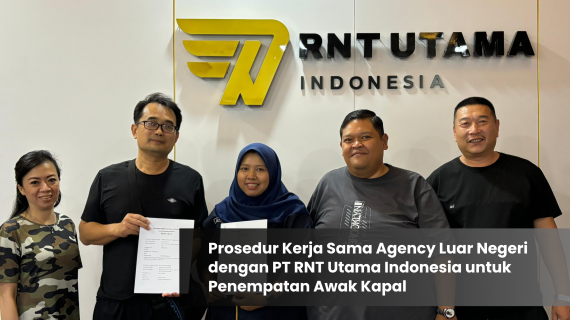
PT RNT Utama Indonesia supports the recruitment and placement of Indonesian crew members for international employment opportunities. The company welcomes discussions and potential partnerships with overseas manning agencies, shipowners, fishing companies, and vessel operators seeking Indonesian workers.
Partnership discussions can begin with information about the required number of crew members, vessel types, available positions, candidate qualifications, deployment schedules, and relevant requirements. This information provides a foundation for evaluating workforce needs and determining an appropriate cooperation framework.
Looking for an Indonesian crew recruitment partner for your long-term workforce needs? Contact PT RNT Utama Indonesia to discuss your crew requirements and potential B2B cooperation opportunities. With the right partner, companies can develop recruitment processes that are more structured, transparent, and aligned with the operational needs of the global fishing industry.