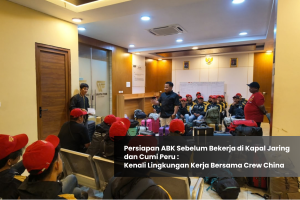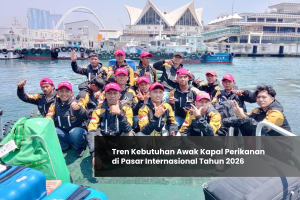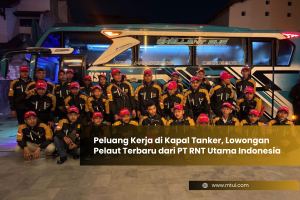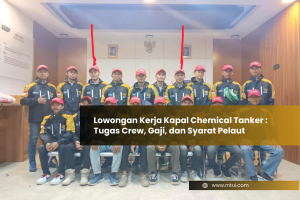
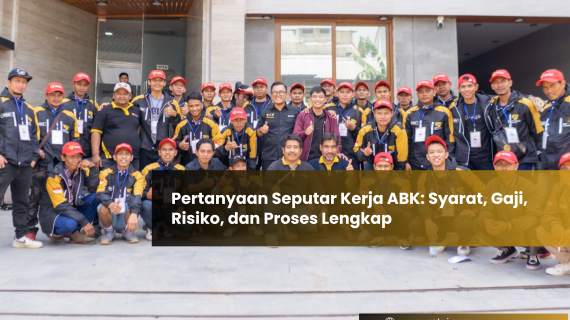
The interest of Indonesian workers in becoming ship crew members (ABK) on international vessels has continued to grow in recent years. This profession offers competitive income and the opportunity to gain international work experience.
However, despite the high interest, many candidates still have doubts due to a lack of clear and accurate information. Many rely on hearsay without fully understanding the actual process.
As a result, common questions arise such as: Is it safe to work on international vessels? How much is the salary? Can beginners apply? And what is the correct application process?
As a company specializing in crew placement, PT RNT Utama Indonesia has compiled the most frequently asked questions along with detailed explanations to help you understand the reality of working as a ship crew member.
1. What are the requirements to become an international ship crew member?
Becoming a ship crew member is not an instant process. There are several requirements that must be fulfilled, both administratively and personally.
In general, the requirements include:
- Valid identification (ID card, family card, etc.)
- Seaman Book
- Basic Safety Training (BST) certificate
- Medical check-up certificate
- Police clearance certificate
However, documents are only the first step. What matters more is your readiness in terms of:
- physical condition
- mental strength
- basic work skills
Many candidates fail not because of documents, but because they are not ready for the real working conditions at sea.
2. Can beginners become ship crew members without experience?
Yes, it is possible, but not without preparation.
Some vessels do open opportunities for non-experienced candidates, especially for entry-level positions. However, candidates are still required to:
- attend training
- understand basic ship duties
- pass competency tests
Companies like PT RNT Utama Indonesia maintain strict selection standards to ensure that even beginners are ready for deployment.
3. How much is the salary of a ship crew member?
Salary is one of the main reasons why many people are interested in becoming ABK. However, it is important to understand that salaries vary depending on several factors:
- type of vessel
- job position
- experience
- destination country
In addition to salary, crew members usually receive:
- meals and accommodation onboard
- bonus opportunities
- minimal daily expenses
This means that although the work is demanding, the opportunity to save money is significantly higher compared to land-based jobs.
4. How long is the contract period?
Typically, contracts range from:
- 6 to 12 months, depending on the vessel and company
During the contract period, crew members stay onboard and do not return home. This can be a major challenge, especially for those not used to being away from family.
5. Is working on an international vessel safe?
Safety depends largely on the recruitment channel.
If you apply through a professional company like PT RNT Utama Indonesia, you will benefit from:
- clear employment contracts
- legal and structured processes
- proper crew placement systems
However, going through unofficial channels can result in:
- high risk of fraud
- lack of legal protection
- unclear working conditions
This is why choosing the right agency is crucial.
6. How long does the process take from application to deployment?
Many applicants expect a fast process, but in reality, it takes time.
The process includes:
- initial selection
- document preparation
- training
- competency testing
- waiting for vessel demand
The duration varies, typically:
👉 a few weeks to several months
The more prepared you are, the faster your chances of deployment.
7. Are there any costs involved?
This is a critical question, as it is often misused by irresponsible parties.
In a legitimate process:
- certain costs do exist (documents, training, etc.)
- but they must be transparent and reasonable
Be cautious if:
- fees are unclear or excessive
- promises of fast deployment without process
- no official receipts are provided
Always ensure that you go through a trusted company.
8. What are the risks of working as a ship crew member?
Like any job, working as an ABK involves certain risks:
- physically demanding work
- high work pressure
- long periods away from family
- unpredictable sea conditions
However, with proper preparation and legal processes, these risks can be significantly minimized.
9. Is physical strength important?
Yes, physical fitness is essential.
Working on a vessel requires:
- strong stamina
- physical endurance
- ability to work in demanding environments
That is why medical check-ups are required before deployment.
10. How can I apply safely?
The most important step is choosing the right path.
A safe process includes:
- applying through an official company
- following all selection stages
- avoiding shortcuts
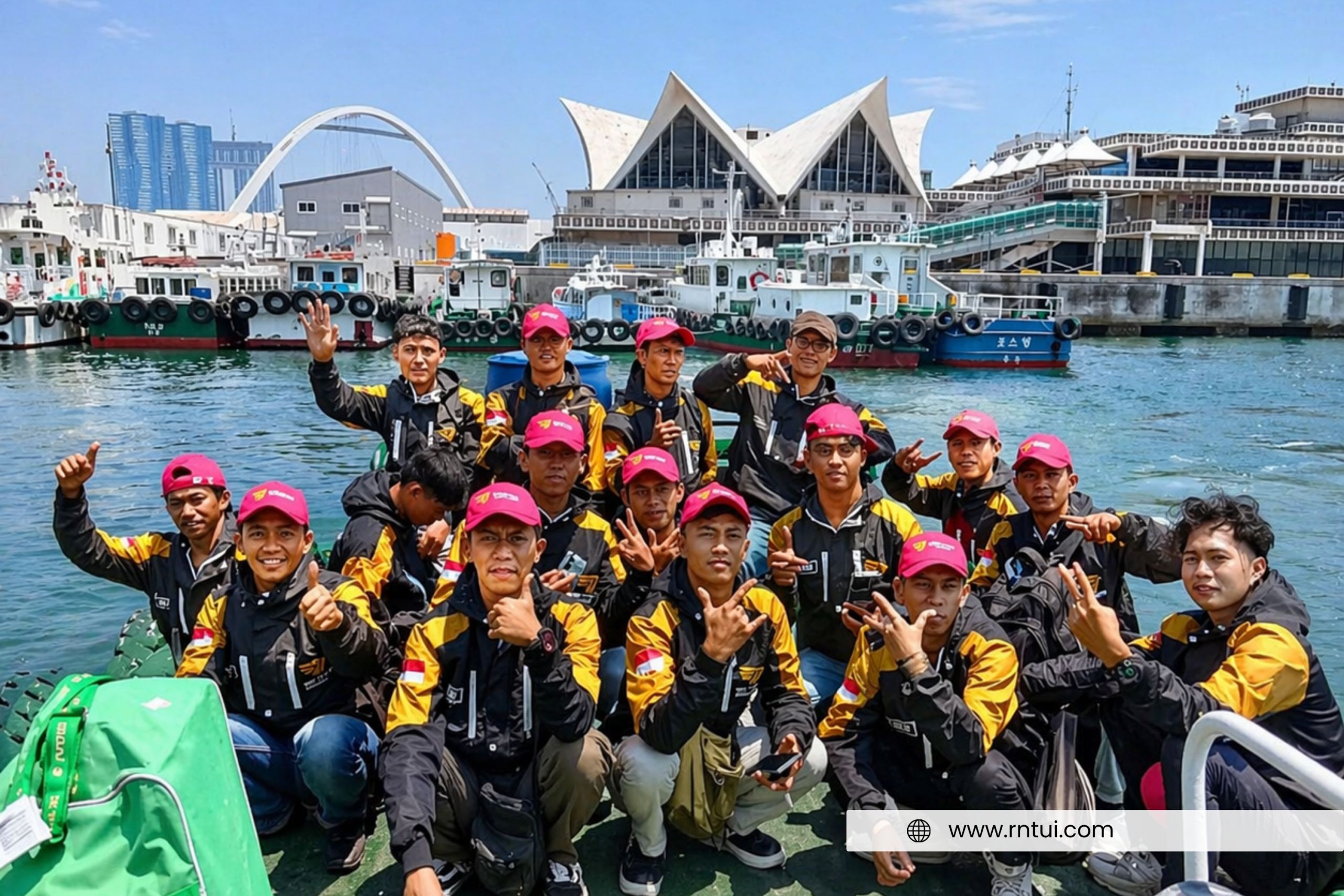
PT RNT Utama Indonesia provides a recruitment system that is:
- clear
- professional
- compliant with regulations
Conclusion
Becoming a ship crew member on an international vessel offers great opportunities, but it requires proper understanding and preparation.
By understanding these frequently asked questions, candidates can:
- better prepare themselves
- understand both risks and opportunities
- make informed decisions
Stay updated with the latest job opportunities and recruitment processes through our official channels.
Opportunities are always open for those who are prepared and qualified.
Website: www.rntui.com
Instagram: @rntutama.id
Don’t miss the next opportunity. Start preparing yourself today and follow the official process with PT RNT Utama Indonesia.