The global fishing industry continues to rely heavily on Indonesian seafarers. Every month, hundreds of crew members are deployed to international fishing vessels, especially in China, Taiwan, and other maritime countries. With such high demand, two main categories of candidates emerge: experienced seafarers and non-experienced seafarers. Both play important roles in the industry, but each category offers different advantages, challenges, and career opportunities.
For candidates who are planning to start or advance their career at sea, understanding the differences between these two groups is crucial. This article explores the strengths and limitations of both experienced and non-experienced seafarers, helping you choose the best path for your future.
Who Are Non-Experienced Seafarers?
Non-experienced seafarers are individuals who have never worked on a fishing vessel before. Most of them are young, usually aged 18–30, and are looking for their first job or a new career opportunity.
Characteristics of non-experienced seafarers:
- No prior experience working on fishing vessels
- No maritime certifications before joining
- Unfamiliar with sea conditions and vessel routines
- Typically fresh graduates or job seekers looking for an income opportunity
This category is the largest and most in-demand group because international fleets are always looking for new workers with strong physical and mental readiness.
Who Are Experienced Seafarers?
Experienced seafarers are those who have previously worked on local or international fishing vessels. They understand vessel operations, know how to handle working pressure, and are familiar with maritime regulations and work culture.
Characteristics of experienced seafarers:
- Completed one or several contracts
- Possess maritime certificates (BST, AFF, SCRB, etc.)
- Understand shift schedules, deck operations, and safety procedures
- Easier to adapt to vessel routines and demands
Their experience makes them valuable to international fleets that prioritize productivity and efficiency.
Key Differences Between Experienced and Non-Experienced Seafarers
1. Entry Requirements
Non-Experienced Seafarers:
- Simple requirements
- No need for prior certifications
- Only need basic documents and good physical condition
- Must undergo training before departure
Experienced Seafarers:
- Already have prior working experience
- Often have supporting certificates
- Usually preferred by captains for certain positions
Both can join legally, but experienced seafarers often go through the selection faster due to their background.
2. Salary and Benefits
Experienced Seafarers:
- Receive higher salaries
- Eligible for additional bonuses
- Can be placed in specific roles (oiler, bosun, foreman, etc.)
Non-Experienced Seafarers:
- Start at standard entry-level salary
- Bonuses vary depending on performance and vessel type
- Begin in general crew positions
Despite starting with lower pay, many non-experienced seafarers can increase their earnings significantly after completing just one contract.
3. Adaptation and Mental Readiness
Experienced Seafarers:
- Already know the rhythm of life at sea
- Understand physical demands and limited resting hours
- Better prepared for homesickness and isolation
- Can work with minimal guidance
Non-Experienced Seafarers:
- Need time to adjust physically and mentally
- May struggle at the beginning
- Must learn discipline, endurance, and teamwork
- Usually improve significantly after 2–3 months on board
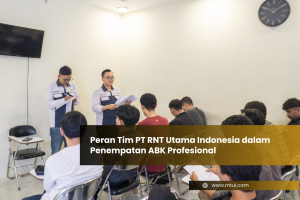
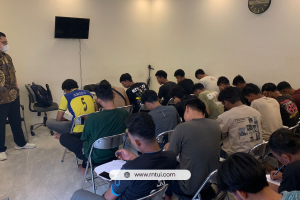
PT RNT Utama Indonesia ensures that all non-experienced seafarers receive proper training and mental preparation before departure.
4. Career Growth Potential
Experienced Seafarers:
- Faster promotion opportunities
- Can become bosun, officer, or machine operator
- Work history is valuable when applying to new fleets
Non-Experienced Seafarers:
- Start from the lowest rank
- Can be promoted after one or two contracts
- Strong performance can accelerate their career
In the maritime industry, promotion is open to everyone. Hard work, discipline, and good performance are key factors for advancement.
5. Safety, Knowledge, and Work Efficiency
Experienced Seafarers:
- Familiar with vessel equipment and gear
- Understand safety rules and emergency response
- Work more efficiently under pressure
Non-Experienced Seafarers:
- Learn from training and guidance from senior crew
- Need supervision during early months
- Can become highly skilled after gaining experience
Thanks to mandatory training such as BST, AFF, and SCRB, non-experienced candidates can still work safely and confidently once on board.
Which One Is Better?
The answer depends on the individual’s goals and current situation. Both categories are equally important in the industry.
Non-Experienced Seafarers Are Ideal For:
- Young individuals starting their career
- Those who want to build long-term opportunities
- First-time overseas workers
- Physically strong, disciplined individuals willing to learn
With proper training and guidance, many non-experienced seafarers succeed and rise to higher ranks quickly.
Experienced Seafarers Are Ideal For:
- Those who want higher salaries
- Individuals aiming for specific roles or ranks
- Workers seeking promotion opportunities
- Those who want to continue their established maritime career
Their experience helps them secure trusted positions on international vessels.
Conclusion: Choose the Path That Fits Your Goal
Both experienced and non-experienced seafarers have valuable roles in the international fishing industry. What matters most is choosing the right pathway—one that is legal, safe, and professionally guided.
Through PT RNT Utama Indonesia, both types of candidates receive:
- Complete training
- Legal documentation
- Full protection
- Clear career direction
- Professional deployment to global fleets
Regardless of your background, the opportunity to succeed at sea is wide open.