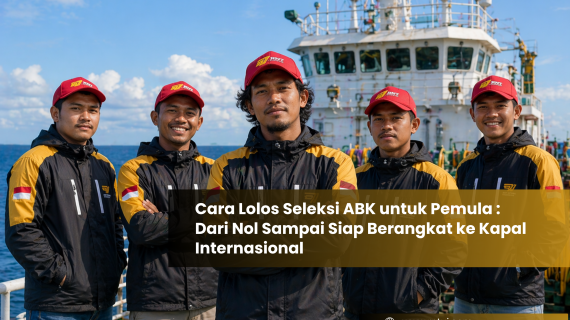
Many people are interested in working as a ship crew member (ABK) because of the promising income and the opportunity to work abroad. However, many applicants fail during the selection process, even before they get the chance to be deployed.
The main issue is not a lack of motivation, but a lack of understanding of how the selection process works and what companies actually assess.
As a professional crew placement company, PT RNT Utama Indonesia emphasizes that successful candidates are not just those who are willing, but those who are prepared in terms of documents, skills, mental readiness, and work attitude.
This article explains in detail how to increase your chances of passing the selection, even if you have no prior experience.
Understanding the Real Selection Process
Before discussing tips, it is important to understand that ABK selection consists of multiple stages, each with different evaluation criteria.
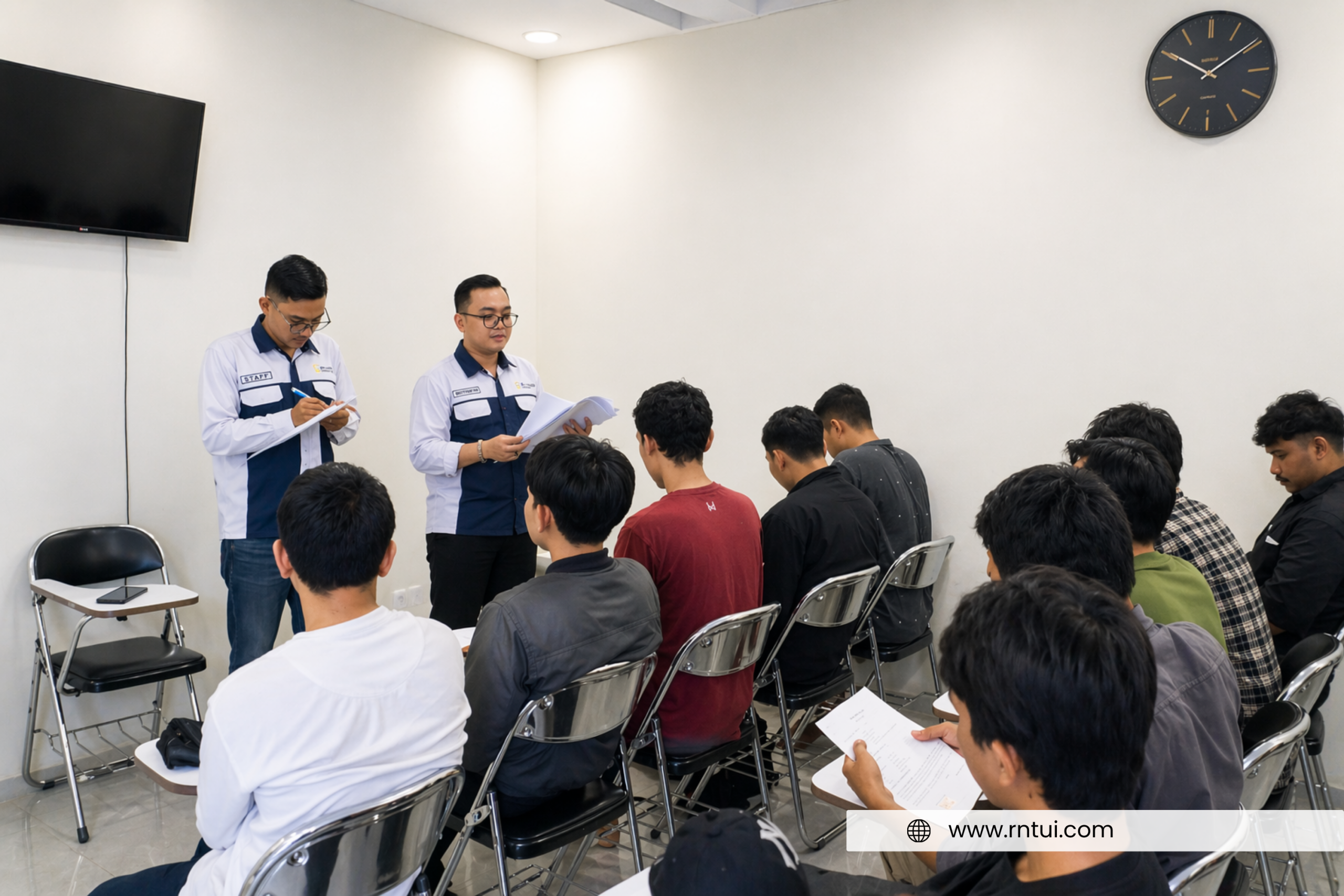
Generally, the process includes:
- Document verification
- Initial interview
- Medical check-up
- Psychological assessment
- Basic training (BST)
- Competency test
- Vessel placement
Many candidates fail not because they are incapable, but because they are not prepared for one of these stages.
1. Ensure Your Documents Are Accurate and Complete
One of the most common mistakes beginners make is treating documents as a mere formality. In reality, this is the first and most critical stage.
Common issues include:
- Inconsistent names across documents
- Incomplete documentation
- Invalid or unclear data
- Missing required documents such as police clearance
Professional companies like PT RNT Utama Indonesia apply strict document verification because these records are used for international processing.
Tip:
Make sure all your personal data is consistent and your documents are complete before applying.
2. Take the Interview Seriously
Many candidates attend interviews without preparation, assuming it is just a formality. This is a major mistake.
Interviews are used to evaluate:
- attitude
- communication skills
- seriousness
- mental readiness
Common assessment points include:
- understanding of ABK responsibilities
- readiness to work at sea for long periods
- ability to follow rules
Practical tips:
- Answer clearly and concisely
- Avoid being overly casual
- Show seriousness and commitment
3. Prepare Your Physical Condition Early
Working on a vessel is physically demanding. Many applicants fail the medical check-up due to poor physical condition.
Common issues include:
- non-ideal body condition
- health problems (lungs, heart, etc.)
- medical history concerns
- low stamina
Tip:
Start preparing your body before applying:
- exercise regularly
- get enough rest
- avoid unhealthy habits
Physical readiness is essential, not optional.
4. Learn the Basics Even as a Beginner
Some beginners assume they do not need preparation because they will be trained later. This mindset is incorrect.
Companies prefer candidates who:
- have basic understanding of the job
- show initiative to learn
- are not completely unfamiliar
At minimum, understand:
- types of vessels (samba, longline, trawl)
- basic crew responsibilities
- working conditions at sea
5. Take the Competency Test Seriously
The competency test is one of the most critical stages. This is where your actual ability is evaluated.
Assessments include:
- work execution
- learning speed
- accuracy
- discipline
Common mistakes:
- lack of focus
- underestimating the test
- ignoring instructions
Your performance here can determine whether you are selected or not.
6. Be Mentally Prepared
Working on a vessel means:
- being away from family for months
- handling physically demanding tasks
- facing high work pressure
- living outside your comfort zone
Companies will assess whether you are truly ready or just trying.
Tip:
Do not apply if you are:
- unsure
- mentally unprepared
- influenced by others
7. Attitude Matters More Than Skill
Skills can be trained, but attitude is harder to change.
Shipping companies prioritize:
- discipline
- responsibility
- teamwork
- compliance with rules
Many candidates with strong skills fail due to poor attitude, while beginners with good attitude are often prioritized.
8. Choose a Legal and Professional Path
A common mistake is choosing unofficial channels for faster deployment.
Risks include:
- unclear contracts
- lack of protection
- potential fraud
- unsafe working conditions
Through professional companies like PT RNT Utama Indonesia, the process may be stricter, but it is:
- safer
- structured
- more reliable for long-term career growth
9. Stay Consistent and Don’t Give Up
Not everyone passes on the first attempt, and that is normal.
What matters is:
- learning from mistakes
- improving weaknesses
- trying again
Successful candidates are those who continue preparing and improving.
Conclusion
Passing ABK selection is not about luck, but about preparation. From documentation to physical readiness, mental strength, and attitude, every aspect plays a role.
For beginners, opportunities remain open as long as you are willing to learn and follow the correct process.
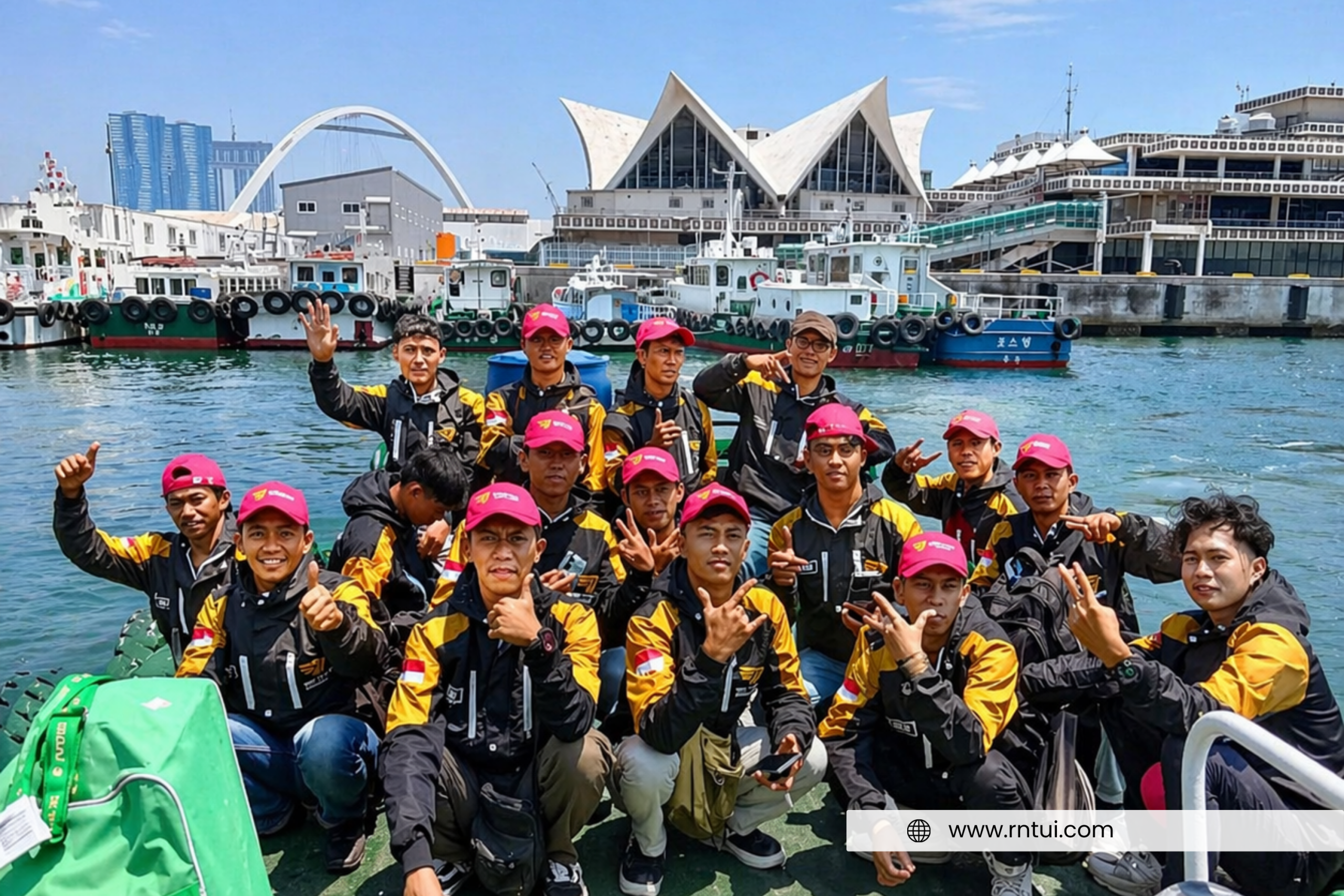
Through a structured selection system, PT RNT Utama Indonesia continues to support Indonesian workers in pursuing careers in the international maritime industry safely and professionally.
If you are serious about becoming an ABK, start preparing now. Because in the end, success belongs not to those who move fastest, but to those who are best prepared. 🌊⚡